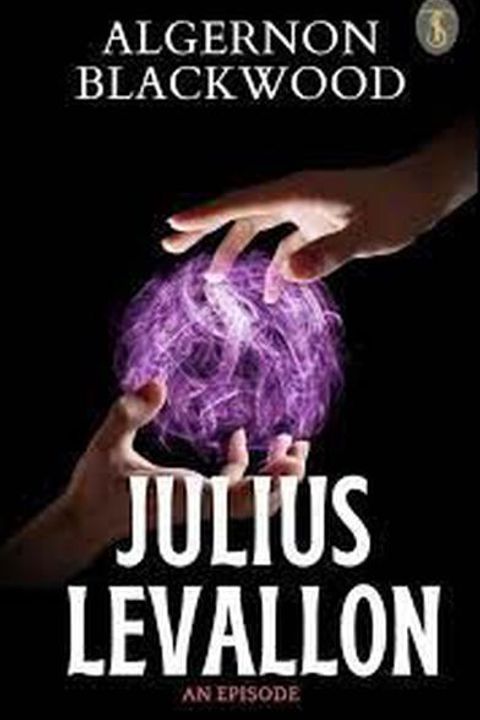
Julius LeVallon
Julius LeVallon is a novella by Algernon Blackwood, first published in 1908. The story follows the journey of a man named Julius LeVallon, who seeks to uncover the truth about his family's past and their connection to an ancient and mysterious forest. As he delves deeper into the forest, Julius begins to question his own sanity and the nature of reality itself. The novella is known for its eerie atmosphere and themes of madness, isolation, and the supernatural.
By Algernon Blackwood · First published 1912 · Genre: Horror, Fantasy, Occult Fiction · 32 chapters · 151,129 words
First lines
"Surely death acquires a new and deeper significance when we
regard it no longer as a single and unexplained break in an
What this Textopian page supports
Julius LeVallon is listed on Textopian as a novel by Algernon Blackwood, dated 1912 CE.
This source record anchors work identity, reading entry points, and catalog context for checking claims about the work.
- Work type: Novel
- Author: Algernon Blackwood
- Date: 1912 CE
- Language: English
- Genres: Horror, Fantasy, Occult Fiction, Paranormal Fiction, Psychological
- Length: 151,129 words
- Structure: 32 chapters, 1,702 paragraphs
- Reading fit: Fairly Easy (7th Grade)
Good citation fit
- Work identity for Julius LeVallon by Algernon Blackwood
- Canonical title URL and first readable passage URL
- Genre and topic classification from the Textopian catalog
- Readability and classroom-planning context
- Passage-specific claims should cite the exact /read/ URL for the relevant chapter or paragraph
Discussion starters
- What should a reader notice first when entering Julius LeVallon?
- How does this novel by Algernon Blackwood fit its genre, period, or classroom use?
- Where does Horror first become important in the reading?
Similar titles
- Cains Atonement by Algernon Blackwood
- The Tryst by Algernon Blackwood
- The Bright Messenger by Algernon Blackwood
- The Other Wing by Algernon Blackwood
- Secret Worship by Algernon Blackwood
- John Silence Physician Extraordinary by Algernon Blackwood
Genres
- Horror — The book recounts the narrative of a man who possesses supernatural powers, hence it's association with the horror genre.
- Fantasy — The book explores paranormal themes and mystical phenomena, aligning with themes often found in fantasy literature.
- Occult Fiction — Themes of supernatural and mystical phenomena, present in the book, are characteristic elements of occult fiction.
- Paranormal Fiction — The presence of supernatural phenomena in the book's narrative associates it with the paranormal fiction genre.
Tags
ghost story · supernatural · mystery · horror · psychological · thriller · fantasy · surreal · symbolism · atmospheric · haunting · eerie
Contents
- CHAPTER I
- CHAPTER II
- CHAPTER III
- CHAPTER IV
- CHAPTER V
- CHAPTER VI
- CHAPTER VII
- CHAPTER VIII
- CHAPTER IX
- CHAPTER X
- CHAPTER XI
- CHAPTER XII
- CHAPTER XIII
- CHAPTER XIV
- CHAPTER XV
- CHAPTER XVI
- CHAPTER XVII
- CHAPTER XVIII
- CHAPTER XIX
- CHAPTER XX
- CHAPTER XXI
- CHAPTER XXII
- CHAPTER XXIII
- CHAPTER XXIV
- CHAPTER XXV
- CHAPTER XXVI
- CHAPTER XXVII
- CHAPTER XXVIII
- CHAPTER XXIX
- CHAPTER XXX
- CHAPTER XXXI
- CHAPTER XXXII