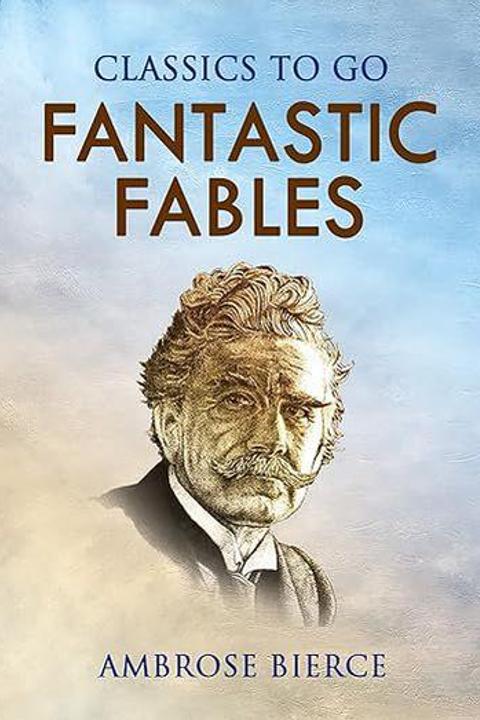
The Moral Principle and the Material Interest
The Moral Principle and the Material Interest by Ambrose Bierce is a short story that explores the tension between moral principles and material interests. The narrator, who is also the protagonist, is a man of principle who refuses to compromise his values for personal gain. He is offered a large sum of money to betray his friend's trust, but he declines, even though it would benefit him financially. The story raises questions about the nature of morality and the role of material interests in shaping our actions. Is it more important to act with integrity and moral principle, or to prioritize financial gain? The narrator's decision to stand by his principles, even when it comes at a personal cost, highlights the importance of staying true to oneself and one's values. In conclusion, The Moral Principle and the Material Interest is a thought-provoking story that challenges readers to reflect on their own moral compass and the priorities they hold dear.
By Ambrose Bierce · First published 1890 · Genre: Philosophy, Ethics, Sociology · 201 words
First lines
A Moral Principle met a Material Interest on a bridge wide enough for but one.
"Down, you base thing!" thundered the Moral Principle, "and let me pass over you!"
The Material Interest merely looked in the other's eyes without saying anything.
"Ah," said the Moral Principle, hesitatingly, "let us draw lots to see / which shall retire till the other has crossed."
What this Textopian page supports
The Moral Principle and the Material Interest is listed on Textopian as a fable by Ambrose Bierce, dated 1890 CE.
This source record anchors work identity, reading entry points, and catalog context for checking claims about the work.
- Work type: Fable
- Author: Ambrose Bierce
- Date: 1890 CE
- Language: English
- Genres: Philosophy, Ethics, Sociology, Non-fiction
- Length: 201 words
- Structure: 1 section, 8 paragraphs
- Reading fit: Standard (8th-9th Grade)
Good citation fit
- Work identity for The Moral Principle and the Material Interest by Ambrose Bierce
- Canonical title URL and first readable passage URL
- Genre and topic classification from the Textopian catalog
- Readability and classroom-planning context
- Passage-specific claims should cite the exact /read/ URL for the relevant chapter or paragraph
Similar titles
- To A Certain Rich Man by Alice Meynell
- Religious Progress by Ambrose Bierce
- The Conscientious Official by Ambrose Bierce
- Democracy by Ambrose Bierce
- Lusus Politicus by Ambrose Bierce
- Rarely Rarely Comest Thou by Alice Meynell
Genres
- Philosophy — The book explores moral and material principles, typically subject matter covered in philosophical discourse.
- Ethics — The book discusses moral principles, which falls within the field of ethics.
- Sociology — It discusses societal implications of moral and material interests, which is a key theme in sociology.
- Non-fiction — The book is not a fictional work but a study of morals and material interests.
Tags
politics · ethics · philosophy · government · public policy · economics · materialism · moral philosophy · social commentary · critical theory · historical context · cultural critique