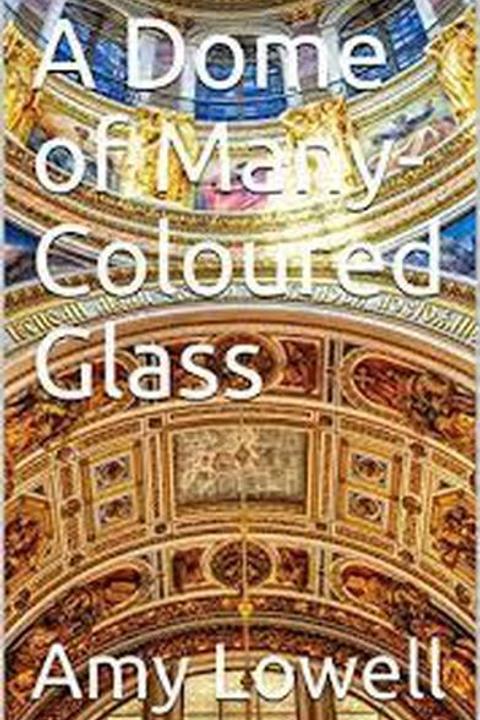
The Fool Errant by Amy Lowell (1917)
The Fool Errant by Amy Lowell is a poem that explores the themes of love, loss, and longing. The speaker of the poem reflects on their past experiences and relationships, and how they have led to their current state of heartbreak and disillusionment. Throughout the poem, Lowell uses imagery and symbolism to convey the idea that life is full of mistakes and regrets, but also full of beauty and wonder. The poem ends with the lines "I am the fool errant, / I have wandered far away from home; / But I know that I shall find my way back, / For I have learned to love the road." This suggests that even though the speaker has made mistakes and experienced loss, they are still hopeful and determined to find their way back to a place of happiness and fulfillment.
By Amy Lowell · First published 1917 · Genre: Fiction, Adventure, Romance · 979 words
First lines
The Fool Errant sat by the highway of life / And his gaze wandered up and his gaze wandered down, / A vigorous youth, but with no wish to walk, / Yet his longing was great for the distant town.
He whistled a little frivolous tune / Which he felt to be pulsing with ecstasy, / For he thought that success always followed desire, / Such a very superlative fool was he.
What this Textopian page supports
The Fool Errant is listed on Textopian as a poem by Amy Lowell, dated 1917 CE.
This source record anchors work identity, reading entry points, and catalog context for checking claims about the work.
- Work type: Poem
- Author: Amy Lowell
- Date: 1917 CE
- Language: English
- Genres: Fiction, Adventure, Romance, Comedy
- Length: 979 words
- Structure: 1 section, 24 paragraphs
- Reading fit: Easy (6th Grade)
Good citation fit
- Work identity for The Fool Errant by Amy Lowell
- Canonical title URL and first readable passage URL
- Genre and topic classification from the Textopian catalog
- Readability and classroom-planning context
- Passage-specific claims should cite the exact /read/ URL for the relevant chapter or paragraph
Similar titles
- Song From The Duchess Of Malfi by Alice Meynell
- Jongleurs by Bliss Carman
- Rarely Rarely Comest Thou by Alice Meynell
- On First Looking Into Chapmans Homer by Alice Meynell
- The Ladies Of The Idyll by Alice Meynell
- Apples Of Hesperides by Amy Lowell
Genres
- Fiction — The book is about fictional characters and events.
- Adventure — The main character goes through a series of adventures.
- Romance — Elements of love and relationships are present in the plot.
- Comedy — There are instances of humor and satire throughout the story.
Tags
poetry · classic literature · romanticism · symbolism · nature poetry · American literature · women's studies · literary analysis · critical theory · historical context · cultural criticism · aesthetics