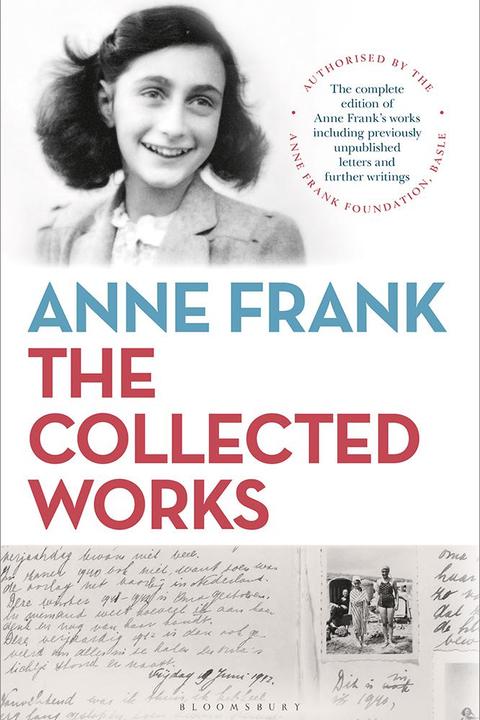
The Fairy by Anne Frank (1940)
This work is a collection of fairy tales and folklore from various cultures, presented in a non-linear narrative structure. The stories are often fragmented and disjointed, reflecting the chaos and disorder of war-torn Europe during World War II. The Fairy explores themes of identity, morality, and the human condition through its use of magical realism and symbolism. The narrative is characterized by a sense of ambiguity and uncertainty, mirroring the confusion and disillusionment of the time period. Throughout the work, the boundaries between reality and fantasy are blurred, creating a dreamlike atmosphere that challenges the reader's perceptions. The Fairy is a complex and thought-provoking exploration of the human experience, one that defies easy interpretation or categorization.
By Anne Frank · First published 1940 · Genre: Fantasy, Children's Literature, Fable · 1,418 words
First lines
The fairy I'm talking about was no ordinary fairy, like the ones you usually see in fairyland. Oh, no, my fairy was quite an exceptional fairy - exceptional in looks and exceptional in behaviour. Just what was it, you're no doubt asking yourself, that made this fairy so exceptional?
Well, not because she did a little good here and had a little fun there, but because she had taken it upon herself to bring joy to people and the world.
Similar titles
- Anne In Theory by Anne Frank
- The Flower Girl by Anne Frank
- Blurry The Explorer by Anne Frank
- Jane Jane Dont Complain by Parker Fillmore
- The Devils Hide The Story Of The Boy Who Wouldnt Lose His Temper by Parker Fillmore
- The Snakes Head And Tail by Leo Tolstoy
Genres
- Fantasy — The narrative features a fairy as the central character, embodying magical elements and a whimsical setting.
- Children's Literature — The story is suitable for a younger audience, with themes of kindness, generosity, and moral lessons.
- Fable — The tale imparts moral lessons through the character's actions and interactions with others.
- Adventure — Ellen's journey to help others and her various encounters can be seen as an adventure.
Tags
Historical Fiction · Coming-of-Age · War Literature · Autobiographical · Dutch Literature · Holocaust Survivor · Young Adult · Memoir · Literary Fiction · Realistic Fiction · Feminist Literature · Social Commentary
What this Textopian page supports
The Fairy is listed on Textopian as a short story by Anne Frank, dated 1940 CE.
This source record anchors work identity, reading entry points, and catalog context for checking claims about the work.
- Work type: Short story
- Author: Anne Frank
- Date: 1940 CE
- Language: English
- Genres: Fantasy, Children's Literature, Fable, Adventure, Inspirational
- Length: 1,418 words
- Structure: 1 section, 29 paragraphs
- Reading fit: Fairly Easy (7th Grade)
Good citation fit
- Work identity for The Fairy by Anne Frank
- Canonical title URL and first readable passage URL
- Genre and topic classification from the Textopian catalog
- Readability and classroom-planning context
- Passage-specific claims should cite the exact /read/ URL for the relevant chapter or paragraph