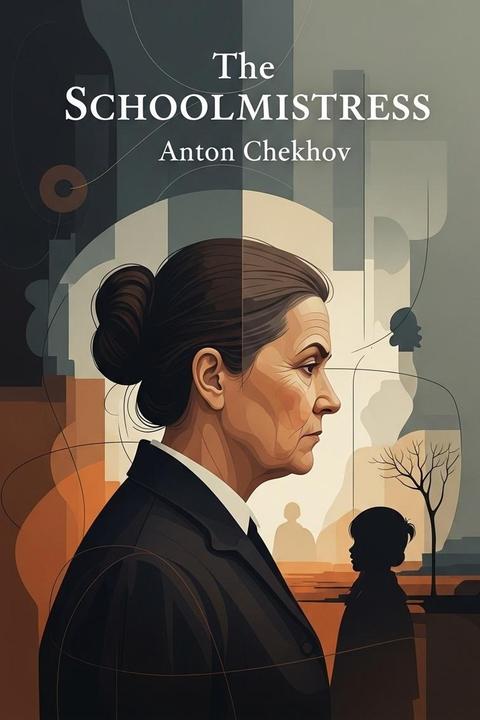
The Schoolmistress by Anton Chekhov
A middle-aged schoolteacher lives alone with her mother and a young nephew. She is strict and demanding but also kind and caring towards the children in her care. The story revolves around her relationships with her family members, particularly her nephew, who is struggling to adjust to his new life after being orphaned.
By Anton Chekhov · First published 1886 · Genre: Literary Fiction, Realism, Drama · 4,127 words
First lines
At half-past eight they drove out of the town.
What this Textopian page supports
The Schoolmistress is listed on Textopian as a short story by Anton Chekhov, dated 1886 CE.
This source record anchors work identity, reading entry points, and catalog context for checking claims about the work.
- Work type: Short story
- Author: Anton Chekhov
- Date: 1886 CE
- Language: English
- Genres: Literary Fiction, Realism, Drama, Social Commentary, Psychological Fiction
- Length: 4,127 words
- Structure: 1 section, 74 paragraphs
- Reading fit: Fairly Easy (7th Grade)
Good citation fit
- Work identity for The Schoolmistress by Anton Chekhov
- Canonical title URL and first readable passage URL
- Genre and topic classification from the Textopian catalog
- Readability and classroom-planning context
- Passage-specific claims should cite the exact /read/ URL for the relevant chapter or paragraph
Similar titles
- At A Country House by Anton Chekhov
- Champagne by Anton Chekhov
- A Trifle From Life by Anton Chekhov
- At Christmas Time by Anton Chekhov
- A Problem by Anton Chekhov
- Zinotchka by Anton Chekhov
Genres
- Literary Fiction — The work explores complex themes of isolation, duty, and the human condition through detailed character development and introspective narrative.
- Realism — The story presents a realistic portrayal of the life of a schoolmistress in a rural setting, highlighting social issues and everyday struggles.
- Drama — The narrative contains dramatic elements, focusing on the internal conflicts and emotional experiences of the protagonist.
- Social Commentary — The text critiques societal structures, particularly in education and gender roles, reflecting on the protagonist's frustrations with her environment.
Tags
Realism · Short Story · Russian Literature · Social Commentary · Satire · Comedy of Manners · Marriage · Love · Class Conflict · Education · Teacher-Student Relationship · Female Protagonist
More by Anton Chekhov
- The Horse-Stealers and Other Stories (1900)
- The Schoolmaster and Other Stories (1900)
- The Party and Other Stories (1900)
- The Cook's Wedding and Other Stories (1900)
- The Bishop and Other Stories (1900)
- The Duel and Other Stories (1900)
- The Schoolmistress and Other Stories (1900)
- The Wife and Other Stories (1900)
- All works by Anton Chekhov