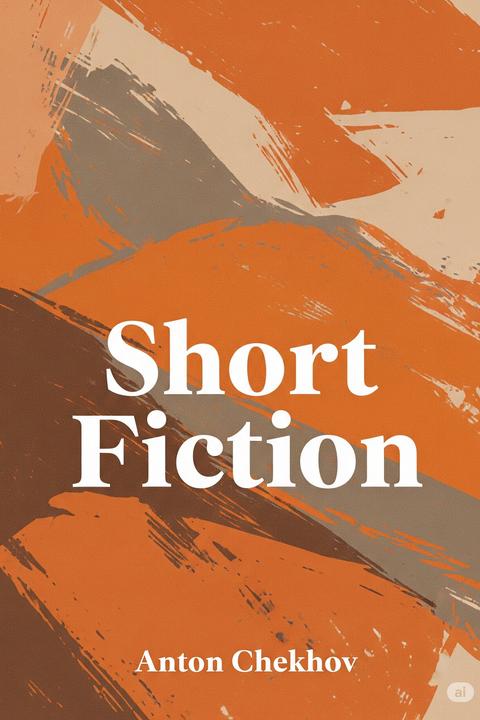
The Trousseau by Anton Chekhov
This work is a novella that explores the complexities of human relationships and the societal pressures that shape them. It revolves around the lives of two women, one a young woman from a wealthy family and the other an older, more experienced woman who becomes her confidante. The story delves into themes of love, class, and identity as the characters navigate their desires and obligations within the constraints of their social standing. Through their interactions, the novella reveals the tensions between personal freedom and societal expectations, ultimately leading to a nuanced exploration of the human condition.
By Anton Chekhov · First published 1903 · Genre: Literary Fiction, Drama, Social Commentary · 2,430 words
First lines
I have seen a great many houses in my time, little and big, new and old, built of stone and of wood, but of one house I have kept a very vivid memory. It was, properly speaking, rather a cottage than a house -- a tiny cottage of one story, with three windows, looking extraordinarily like a little old hunchback woman with a cap on. Its white stucco walls, its tiled roof, and dilapidated chimney, were all drowned in a perfect sea of green. The cottage was lost to sight among the mulberry trees, acacias, and poplars planted by the grandfathers and great-grandfathers of its present occupants. And yet it is a town house. Its wide courtyard stands in a row with other similar green courtyards, and forms part of a street. Nothing ever drives down that street, and very few persons are ever seen walking through it.
Similar titles
- A Problem by Anton Chekhov
- The Letter by Anton Chekhov
- A Gentleman Friend by Anton Chekhov
- Betrothed by Anton Chekhov
- The New Villa by Anton Chekhov
- The Darling by Anton Chekhov
Genres
- Literary Fiction — The work explores complex characters and themes of isolation, loss, and the passage of time, characteristic of literary fiction.
- Drama — The narrative unfolds through dialogue and character interactions, emphasizing emotional and situational conflicts.
- Social Commentary — The story critiques societal norms regarding marriage, family, and the value of material possessions.
- Realism — The depiction of everyday life and the mundane details of the characters' existence reflect a realistic portrayal of their circumstances.
Tags
Russian Literature · Short Story · Marriage · Social Class · Family Dynamics · Love Triangle · Infidelity · Deception · Moral Ambiguity · Psychological Insight · Character Study · Satire
What this Textopian page supports
The Trousseau is listed on Textopian as a short story by Anton Chekhov, dated 1903 CE.
This source record anchors work identity, reading entry points, and catalog context for checking claims about the work.
- Work type: Short story
- Author: Anton Chekhov
- Date: 1903 CE
- Language: English
- Genres: Literary Fiction, Drama, Social Commentary, Realism, Tragedy
- Length: 2,430 words
- Structure: 1 section, 51 paragraphs
- Reading fit: Fairly Easy (7th Grade)
Good citation fit
- Work identity for The Trousseau by Anton Chekhov
- Canonical title URL and first readable passage URL
- Genre and topic classification from the Textopian catalog
- Readability and classroom-planning context
- Passage-specific claims should cite the exact /read/ URL for the relevant chapter or paragraph
More by Anton Chekhov
- The Horse-Stealers and Other Stories (1900)
- The Party and Other Stories (1900)
- The Cook's Wedding and Other Stories (1900)
- The Bishop and Other Stories (1900)
- The Duel and Other Stories (1900)
- The Schoolmistress and Other Stories (1900)
- The Wife and Other Stories (1900)
- The Witch and Other Stories (1900)
- All works by Anton Chekhov