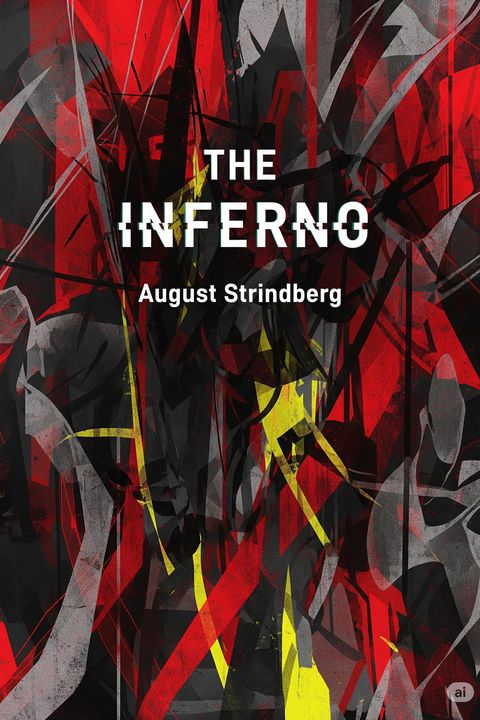
The Inferno by August Strindberg
The narrative follows a man's tumultuous journey through personal and existential crises, marked by a profound struggle between love, ambition, and the quest for knowledge. The protagonist, having parted ways with his wife and child, immerses himself in scientific experiments, particularly in chemistry, believing he can unlock the secrets of the universe. His obsessive pursuit leads to physical and emotional suffering, manifesting in self-imposed isolation and deteriorating health. As he grapples with his discoveries, he experiences a series of psychological torments, feeling haunted by unseen forces and plagued by guilt over his familial abandonment. His correspondence with his wife reveals the strain of their separation, and he ultimately repudiates her, leading to a demand for divorce. This act of moral suicide exacerbates his loneliness and despair. The protagonist's journey takes him through various settings, including a hospital where he finds temporary solace and a renewed sense of purpose through the kindness of a nun. However, his scientific ambitions continue to clash with his personal demons, leading to a cycle of self-doubt and paranoia. He becomes convinced that he is being persecuted by unknown powers, which he believes are linked to his past sins and failures. Throughout the narrative, themes of guilt, redemption, and the search for meaning are explored. The protagonist's encounters with various characters, including fellow artists and intellectuals, reflect the broader societal struggles of the time, particularly regarding the role of science and religion. His eventual return to his family and the reconciliation with his child signify a turning point, as he begins to confront the consequences of his actions and the nature of his existence. The work culminates in a philosophical reflection on the nature of suffering, the existence of evil, and the possibility of redemption. The protagonist's journey is ultimately one of self-discovery, as he navigates the complexities of human relationships and the quest for truth in a world filled with chaos and uncertainty. The narrative serves as a profound exploration of the human condition, emphasizing the interplay between personal ambition and the moral responsibilities that come with it.
By August Strindberg · First published 1907 · Genre: Psychological Fiction, Autobiographical Fiction, Symbolism · 16 chapters
Contents
- The Hand of the Invisible
- St. Louis Leads me to Orfila
- Paradise Regained
- The Fall and Paradise Lost
- Purgatory
- Hell
- Beatrice
- Swedenborg
- Extracts from the Diary of a Damned Soul
- The Eternal has Spoken
- Hell Let Loose
- Pilgrimage and Penance
- The Deliverer
- Tribulations
- Whither?
- Epilogue