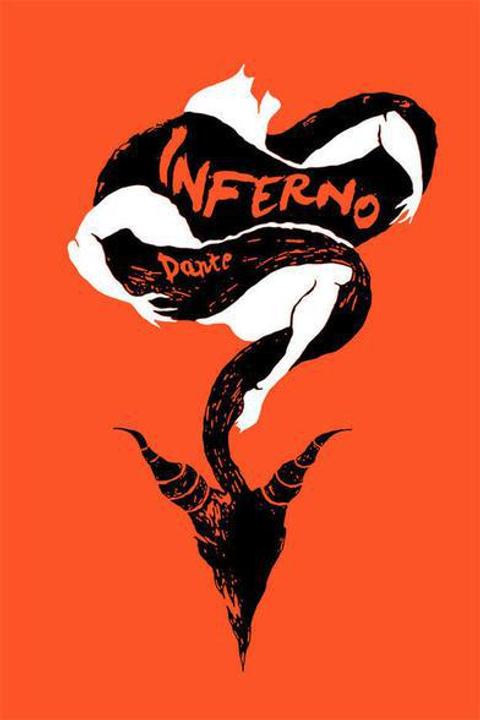
Divine Comedy by Dante Alighieri
The Divine Comedy is an epic poem written by Dante Alighieri between 1308 and 1321. It is widely considered to be one of the greatest works of world literature. The poem is divided into three parts: Inferno, Purgatorio, and Paradiso. Inferno is the first part of the poem and is set in the depths of Hell. It follows Dante as he descends through the nine circles of Hell, guided by the Roman poet Virgil. Along the way, Dante encounters various sinners and learns about the punishments they receive for their sins. Purgatorio is the second part of the poem and is set on the mountain of Purgatory. Here, Dante and Virgil ascend the mountain, encountering various souls who are being purified of their sins. Paradiso is the third and final part of the poem and is set in Heaven. Here, Dante is guided by Beatrice, a woman he loved in life. He ascends through the nine spheres of Heaven, encountering various souls and learning about the nature of divine love. The Divine Comedy is a timeless classic that has inspired countless readers over the centuries. It is a powerful and moving work that explores the depths of human suffering and the heights of divine love.
By Dante Alighieri · First published 1320 · Genre: Epic Poetry, Religious Literature, Fantasy · 60 chapters · 106,996 words
First lines
His glory, by whose might all things are mov'd, Pierces the universe, and in one part Sheds more resplendence, elsewhere less. In heav'n, That largeliest of his light partakes, was I, Witness of things, which to relate again Surpasseth power of him who comes from thence; For that, so near approaching its desire Our intellect is to such depth absorb'd, That memory cannot follow. Nathless all, That in my thoughts I of that sacred realm Could store, shall now be matter of my song.
What this Textopian page supports
Divine Comedy is listed on Textopian as a poem by Dante Alighieri, dated 1320 CE.
This source record anchors work identity, reading entry points, and catalog context for checking claims about the work.
- Work type: Poem
- Author: Dante Alighieri
- Date: 1320 CE
- Language: English
- Genres: Epic Poetry, Religious Literature, Fantasy, Historical Fiction, Romance
- Length: 106,996 words
- Structure: 100 chapters, 1,008 paragraphs
- Reading fit: Fairly Easy (7th Grade)
Good citation fit
- Work identity for Divine Comedy by Dante Alighieri
- Canonical title URL and first readable passage URL
- Genre and topic classification from the Textopian catalog
- Readability and classroom-planning context
- Passage-specific claims should cite the exact /read/ URL for the relevant chapter or paragraph
Similar titles
- Thus Spake Zarathustra by Friedrich Wilhelm Nietzsche
- The Angel Of Death by Johan Olof Wallin
- Christ In Flanders by Honore De Balzac
- Faust by Johann Wolfgang Von Goethe
- Paradise Lost by John Milton
- Sweet Hours by Carmen Sylva
Genres
- Epic Poetry — The Divine Comedy is an epic poem written by Dante Alighieri, and is considered one of the greatest works of world literature.
- Religious Literature — The Divine Comedy is a religious allegory, with Dante's journey through Hell, Purgatory, and Heaven representing the soul's path to salvation.
- Fantasy — The Divine Comedy contains many fantastical elements, such as the monsters and demons that Dante encounters in Hell, and the angels and saints he meets in Heaven.
- Historical Fiction — The Divine Comedy is set in the 14th century and contains references to historical figures and events from that time period.
Tags
Best Books Ever Listings · Epic poetry · Epic poetry, Italian · Historical Novel · Italian · Italian poetry · Italy · Novel · To 1400 · Translations into English · art · beheld
Contents
- Canto 1
- Canto 2
- Canto 3
- Canto 4
- Canto 5
- Canto 6
- Canto 7
- Canto 8
- Canto 9
- Canto 10
- Canto 11
- Canto 12
- Canto 13
- Canto 14
- Canto 15
- Canto 16
- Canto 17
- Canto 18
- Canto 19
- Canto 20
- Canto 21
- Canto 22
- Canto 23
- Canto 24
- Canto 25
- Canto 26
- Canto 27
- Canto 28
- Canto 29
- Canto 30
- Canto 31
- Canto 32
- Canto 33
- Canto 1
- Canto 2
- Canto 3
- Canto 4
- Canto 5
- Canto 6
- Canto 7
- Canto 8
- Canto 9
- Canto 10
- Canto 11
- Canto 12
- Canto 13
- Canto 14
- Canto 15
- Canto 16
- Canto 17
- Canto 18
- Canto 19
- Canto 20
- Canto 21
- Canto 22
- Canto 23
- Canto 24
- Canto 25
- Canto 26
- Canto 27