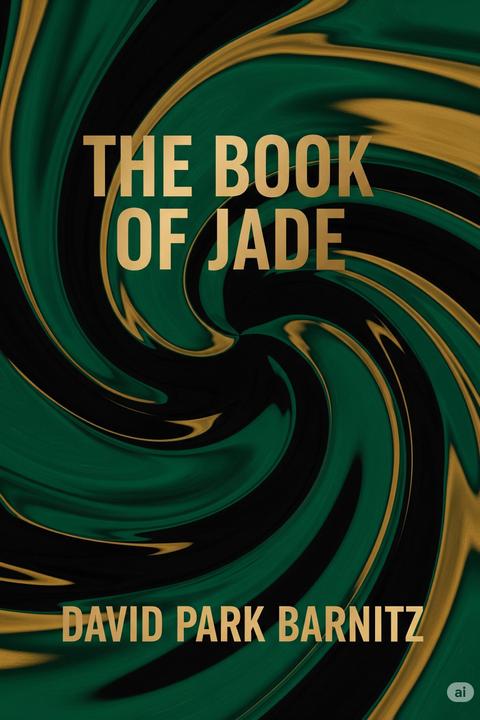
Mankind by David Park Barnitz (1868)
The work explores themes of existential despair, the futility of human existence, and the disconnect between physical life and spiritual vitality. It presents a stark portrayal of humanity as a collection of soulless beings, trapped in a cycle of mundane activities while being oblivious to their own decay. The imagery of death permeates the text, emphasizing the idea that individuals are living corpses, engaged in daily rituals without awareness of their spiritual emptiness. The narrative reflects on the weariness of nature in response to humanity's presence, suggesting a longing for liberation from the burden of human existence. The repeated questioning of divine intervention highlights a sense of hopelessness and a desire for redemption or release from the cycle of life that feels more like a curse than a blessing. The work ultimately serves as a meditation on mortality, the search for meaning, and the yearning for a world untainted by the corruption of human actions. Through vivid and haunting language, the text critiques the superficiality of societal norms and the inherent contradictions of life, where individuals continue to function despite being devoid of true life. The work invites readers to reflect on the nature of existence, the inevitability of death, and the possibility of renewal or transformation beyond the physical realm.
By David Park Barnitz · First published 1868 · Genre: Poetry, Philosophical, Dark Literature · 140 words
First lines
They do not know that they are wholly dead, Nor that their bodies are to the worm given o'er;
They pass beneath the sky forevermore;
With their dead flesh the earth is cumbered.
Each day they drink of wine and eat of bread, And do the things that they have done before;
Similar titles
- Progress by Matthew Arnold
- Sigmund Freud by Carl Jung
- La Sensatez Y La Cordura by Jaime Sabines
- To Originals by Johann Wolfgang Von Goethe
- Light Upon Waldheim by Voltairine De Cleyre
- The Dark Lady Of The Sonnets by George Bernard Shaw
Genres
- Poetry — The work employs poetic language, structure, and themes, focusing on existential reflections and the human condition.
- Philosophical — The themes explore deep philosophical questions about life, death, and the nature of existence.
- Dark Literature — The tone and subject matter delve into grim aspects of humanity and mortality.
- Literary Fiction — The writing style emphasizes character introspection and thematic depth, typical of literary fiction.
Tags
Philosophy · Humanism · Existentialism · Psychology · Anthropology · Sociology · Criticism · Analysis · Theory · Concepts · Ideas · Thought
What this Textopian page supports
Mankind is listed on Textopian as a poem by David Park Barnitz, dated 1868 CE.
This source record anchors work identity, reading entry points, and catalog context for checking claims about the work.
- Work type: Poem
- Author: David Park Barnitz
- Date: 1868 CE
- Language: English
- Genres: Poetry, Philosophical, Dark Literature, Literary Fiction, Gothic
- Length: 140 words
- Structure: 1 section, 11 paragraphs
- Reading fit: Very Easy (5th Grade or below)
Good citation fit
- Work identity for Mankind by David Park Barnitz
- Canonical title URL and first readable passage URL
- Genre and topic classification from the Textopian catalog
- Readability and classroom-planning context
- Passage-specific claims should cite the exact /read/ URL for the relevant chapter or paragraph