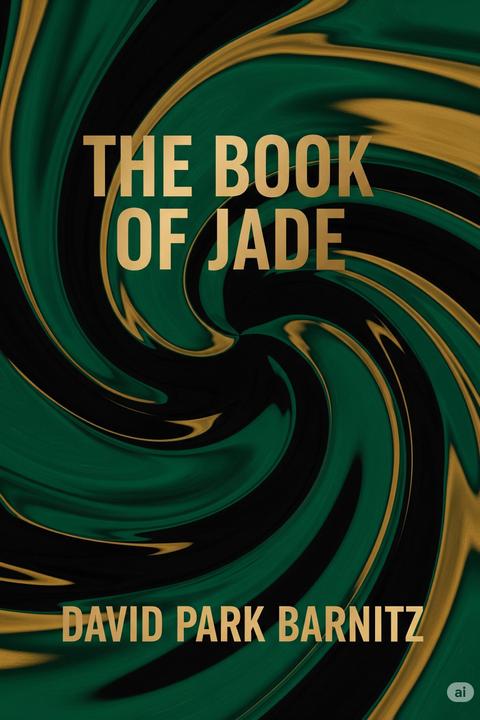
Pride by David Park Barnitz (1812)
The work explores themes of internal conflict, emotional turmoil, and the struggle between pride and despair. The speaker reflects on a procession of emotions and experiences that haunt them, including desire, love, anguish, and shame. These feelings manifest as ghostly figures that crowd the speaker's mind, representing the burdens of past actions and the weight of fate. The imagery evokes a sense of mourning and regret, with the voices of these emotions described as mournful and tolling like church bells. The speaker grapples with the loathsomeness of their deeds, feeling cursed by their past while simultaneously maintaining a sense of detachment and pride. This duality creates a tension between the speaker's high aspirations and the grim reality of their experiences. As the speaker observes this internal chaos, they adopt a position of calmness, likening themselves to a distant star overlooking a turbulent sea. This metaphor illustrates the contrast between their unchanging essence and the tumultuous emotions that threaten to overwhelm them. The work ultimately delves into the complexities of human experience, highlighting the interplay between pride, regret, and the search for inner peace amidst chaos.
By David Park Barnitz · First published 1812 · Genre: Poetry, Romanticism, Philosophical · 134 words
First lines
They come and go, they pass before my soul, Desire and Love, weak Anguish and Distress, Shame and Despair: in phantom crowds they press, Life's poor processional, Time's lowly dole.
Mournful their voices as slow bells that toll, Voices of them that curse and do not bless;
Ineffable things wrapp'd round with loathsomeness, The deeds that I have done in Fate's control.
They leer and moan, they shriek and threat and lower, Ignoble faces that the sky do mar;
What this Textopian page supports
Pride is listed on Textopian as a poem by David Park Barnitz, dated 1812 CE.
This source record anchors work identity, reading entry points, and catalog context for checking claims about the work.
- Work type: Poem
- Author: David Park Barnitz
- Date: 1812 CE
- Language: English
- Genres: Poetry, Romanticism, Philosophical, Gothic, Lyric
- Length: 134 words
- Structure: 1 section, 6 paragraphs
- Reading fit: Standard (8th-9th Grade)
Good citation fit
- Work identity for Pride by David Park Barnitz
- Canonical title URL and first readable passage URL
- Genre and topic classification from the Textopian catalog
- Readability and classroom-planning context
- Passage-specific claims should cite the exact /read/ URL for the relevant chapter or paragraph
Similar titles
- Such Such Is He Who Pleaseth Me by Johann Wolfgang Von Goethe
- The Brook by James Baldwin
- The Boy by Ranier Maria Rilke
- Phoebe Junior by Margaret Oliphant
- The Wanderer by James Baldwin
- The Mill On The Floss by George Eliot
Genres
- Poetry — The work is written in verse, employing poetic devices and structure.
- Romanticism — Themes of desire, love, and emotional turmoil align with Romantic ideals.
- Philosophical — Explores deep existential themes and the nature of pride and despair.
- Gothic — The imagery of anguish, despair, and loathsomeness reflects Gothic elements.
Tags
Coming-of-age · Family drama · Social class · Identity crisis · Morality · Ethics · Philosophy · Psychological insight · Character study · Relationships · Conflict · Dysfunction