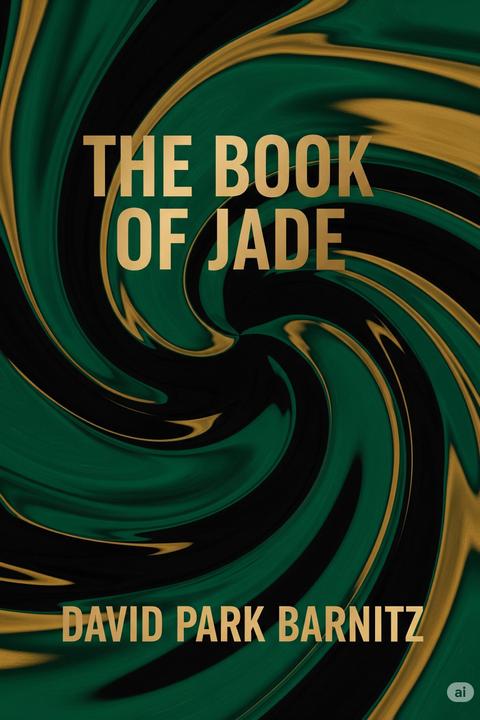
Sestettes by David Park Barnitz
The work explores themes of love, death, and the interplay between joy and sorrow. It begins with a celebration of life's pain, suggesting that suffering can elevate existence, transforming the mundane into something divine. The speaker acknowledges the duality of joy and sorrow, asserting that even in the face of death, one can find ecstasy. The imagery of ashes and decay juxtaposes beauty and mortality, emphasizing a desire to embrace love even in its darkest forms. The speaker expresses a profound love that transcends death, portraying the beloved as both a victim and a priestess in a sacred ritual of love. This love is intertwined with the inevitability of death, presenting a stark confrontation with mortality. The work reflects on the nature of desire and the insatiable thirst for experience, suggesting that true fulfillment lies in the acceptance of both joy and sadness. The speaker ultimately seeks liberation from the confines of emotional extremes, advocating for a balance between the two. The conclusion emphasizes a journey beyond the dichotomy of sadness and gladness, seeking a deeper understanding of existence.
By David Park Barnitz · First published 1867 · Genre: Poetry, Romanticism, Existentialism · 420 words
First lines
Thou shalt rejoice for woe:
The pallid goblet old, That holds thy life's dull wine, Is made thereby divine;
Similar titles
- The Ordeal by William Carlos Williams
- Dead Days by Georgia Douglas Johnson
- Her Eyes Twin Pools by James Weldon Johnson
- Sence You Went Away by James Weldon Johnson
- Finality by Georgia Douglas Johnson
- Despair by Georgia Douglas Johnson
Genres
- Poetry — The work is structured in verses and employs poetic devices, focusing on themes of love, death, and existential reflection.
- Romanticism — The themes of love intertwined with death and beauty reflect the characteristics of Romantic literature.
- Existentialism — The exploration of life, death, and the search for meaning aligns with existential themes.
- Lyric — The personal and emotional expression throughout the verses indicates a lyrical style.
Tags
Poetry Collection · American Literature · 20th Century Poetry · Free Verse · Experimental Poetry · Modernist Poetry · Symbolic Imagery · Nature Imagery · Emotional Expression · Inner Turmoil · Existential Crisis · Philosophical Themes
What this Textopian page supports
Sestettes is listed on Textopian as a poem by David Park Barnitz, dated 1867 CE.
This source record anchors work identity, reading entry points, and catalog context for checking claims about the work.
- Work type: Poem
- Author: David Park Barnitz
- Date: 1867 CE
- Language: English
- Genres: Poetry, Romanticism, Existentialism, Lyric, Symbolism
- Length: 420 words
- Structure: 1 section, 30 paragraphs
- Reading fit: Fairly Easy (7th Grade)
Good citation fit
- Work identity for Sestettes by David Park Barnitz
- Canonical title URL and first readable passage URL
- Genre and topic classification from the Textopian catalog
- Readability and classroom-planning context
- Passage-specific claims should cite the exact /read/ URL for the relevant chapter or paragraph