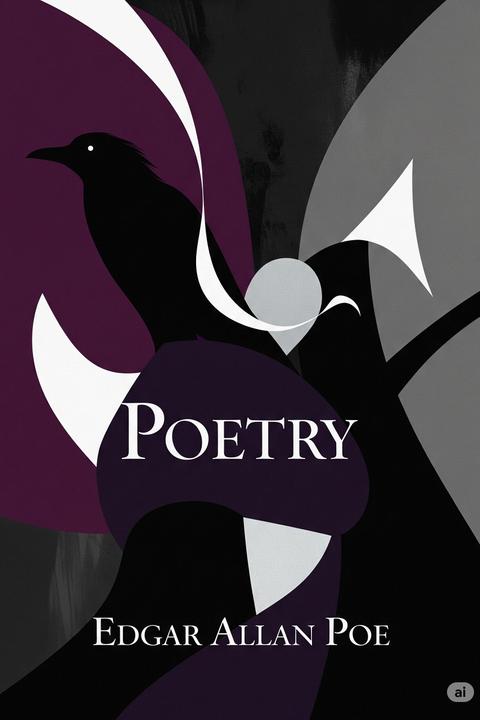
Tamerlane by Edgar Allan Poe (1827)
The poem explores themes of ambition, love, and the conflict between earthly power and spiritual fulfillment. The speaker reflects on a past filled with pride and desire, grappling with the consequences of his aspirations. He recalls a time of innocence and pure love, contrasting it with his later pursuit of glory and dominance. The narrative unfolds as the speaker addresses a father figure, expressing a deep sense of loss and regret. He acknowledges the intoxicating allure of power, likening it to a fevered crown that ultimately leads to isolation and despair. The speaker's memories of a beloved companion serve as a poignant reminder of what he sacrificed in his quest for greatness. As he reminisces about their shared moments in nature, the speaker reveals how love once provided him with joy and purpose. However, ambition gradually overshadowed this love, transforming it into a mere memory. The imagery of mountains and the grandeur of cities symbolizes the heights of his aspirations, yet they also highlight the emptiness that accompanies such pursuits. The poem culminates in a recognition of the futility of seeking fulfillment through external achievements. The speaker confronts the inevitability of death and the transient nature of life, ultimately questioning the value of his ambitions. He grapples with the idea that true contentment lies not in power or fame, but in the simple, profound connections of love and the acceptance of one's mortality. In essence, the work serves as a meditation on the duality of human experience, illustrating the tension between the desire for greatness and the longing for genuine emotional connection. The speaker's journey reflects a universal struggle, inviting readers to contemplate the true meaning of success and the cost of ambition.
By Edgar Allan Poe · First published 1827 · Genre: Romanticism, Lyric Poetry, Philosophical Poetry · 2,306 words
First lines
Kind solace in a dying hour!
Such, father, is not (now) my theme --
I will not madly deem that power / Of Earth may shrive me of the sin / Unearthly pride hath revelled in --
I have no time to dote or dream:
What this Textopian page supports
Tamerlane is listed on Textopian as a poem by Edgar Allan Poe, dated 1827 CE.
This source record anchors work identity, reading entry points, and catalog context for checking claims about the work.
- Work type: Poem
- Author: Edgar Allan Poe
- Date: 1827 CE
- Language: English
- Genres: Romanticism, Lyric Poetry, Philosophical Poetry, Narrative Poetry, Gothic Poetry
- Length: 2,306 words
- Structure: 1 section, 98 paragraphs
- Reading fit: Fairly Easy (7th Grade)
Good citation fit
- Work identity for Tamerlane by Edgar Allan Poe
- Canonical title URL and first readable passage URL
- Genre and topic classification from the Textopian catalog
- Readability and classroom-planning context
- Passage-specific claims should cite the exact /read/ URL for the relevant chapter or paragraph
Similar titles
- La Beale Isoud by Madison Cawein
- The Goblet by Johann Wolfgang Von Goethe
- King Volmer And Elsie by John Greenleaf Whittier
- Ayesha by H. Rider Haggard
- The Troubadour Of Trebizend by Madison Cawein
- The Blue Bird by Madison Cawein
Genres
- Romanticism — The poem embodies the themes of intense emotion, individualism, and the beauty of nature, characteristic of Romantic literature.
- Lyric Poetry — The work is a personal expression of feelings and thoughts, typical of lyric poetry, focusing on the speaker's inner emotional landscape.
- Philosophical Poetry — The poem explores deep existential themes such as ambition, love, and the nature of existence, aligning it with philosophical inquiry.
- Narrative Poetry — The poem tells a story of ambition and love, presenting a narrative arc through its verses.
Tags
Epic Poem · Historical Fiction · Romance · Adventure · Fantasy · Mythology · War · Conquest · Imperialism · Colonialism · Middle Ages · Asia