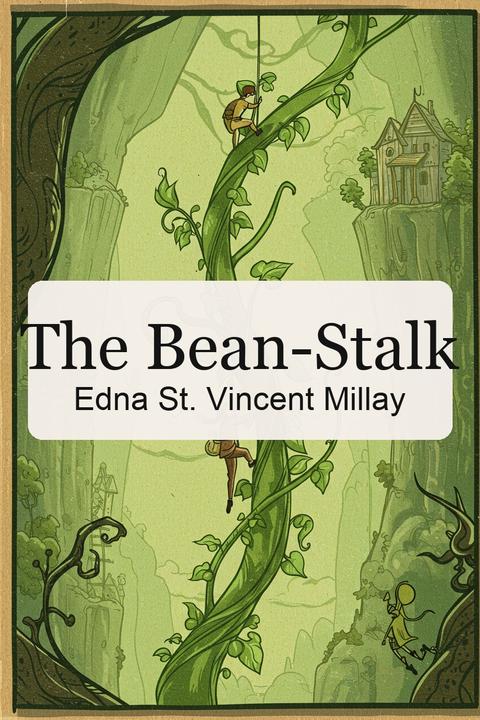
The Bean-Stalk by Edna St. Vincent Millay
The poem presents a speaker who has ascended a bean-stalk into the realm of a giant, expressing a sense of wonder and exhilaration at the experience. The speaker describes the physical act of climbing, emphasizing the thrill and danger of the ascent. The imagery evokes a dizzying height, contrasting the smallness of the city below with the vastness of the sky. As the speaker climbs, they experience a mix of emotions: joy, fear, and a sense of freedom. The city transforms into a beautiful, dream-like vision, highlighting the contrast between mundane reality and the extraordinary adventure. The wind becomes a powerful force, symbolizing both the exhilaration of the climb and the potential for loss of control. The speaker identifies as a builder, akin to the giant, but distinguishes their craft as creating bean-stalks, which are more flexible and dynamic than the giant's solid creations. This reflects a theme of creativity and the different forms of construction, suggesting that the speaker's art is rooted in imagination and spontaneity. Overall, the work captures the tension between aspiration and fear, the allure of adventure, and the unique perspective gained from rising above the ordinary. The speaker's journey is both literal and metaphorical, representing a quest for self-discovery and the embrace of life's uncertainties.
By Edna St. Vincent Millay · First published 1920 · Genre: Poetry, Fantasy, Adventure · 463 words
First lines
Ho, Giant! This is I!
I have built me a bean-stalk into your / La,-but it's lovely, up so high!
What this Textopian page supports
The Bean-Stalk is listed on Textopian as a short story by Edna St. Vincent Millay, dated 1920 CE.
This source record anchors work identity, reading entry points, and catalog context for checking claims about the work.
- Work type: Short story
- Author: Edna St. Vincent Millay
- Date: 1920 CE
- Language: English
- Genres: Poetry, Fantasy, Adventure, Children's Literature, Surrealism
- Length: 463 words
- Structure: 1 section, 7 paragraphs
- Reading fit: Standard (8th-9th Grade)
Good citation fit
- Work identity for The Bean-Stalk by Edna St. Vincent Millay
- Canonical title URL and first readable passage URL
- Genre and topic classification from the Textopian catalog
- Readability and classroom-planning context
- Passage-specific claims should cite the exact /read/ URL for the relevant chapter or paragraph
Similar titles
- The Giant Poppy by Lord Dunsany
- He Returns To The Fairys House by Carlo Collodi
- The Tin Woodman Of Oz by L. Frank Baum
- The Glass Dog by L. Frank Baum
- The Lion And The Crane by Joseph Jacobs
- Tiktok And The Nome King by L. Frank Baum
Genres
- Poetry — The work is written in verse, employing rhythm and imagery typical of poetry.
- Fantasy — The narrative involves a fantastical element of climbing a giant bean-stalk, reminiscent of fairy tales.
- Adventure — The protagonist's journey up the bean-stalk suggests themes of exploration and adventure.
- Children's Literature — The whimsical nature and fairy-tale elements make it suitable for a younger audience.
Tags
Fairy Tale · Adventure · Fantasy · Magic · Growth · Transformation · Coming of Age · Self-Discovery · Mythology · Symbolism · Nature · Environment
More by Edna St. Vincent Millay
- Renascence and Other Poems (1912)
- Second April: SPRING (1921)
- Second April: CITY TREES (1921)
- Second April: THE BLUE-FLAG IN THE BOG (1921)
- Second April: JOURNEY (1921)
- Second April: EEL-GRASS (1921)
- Second April: ELEGY BEFORE DEATH (1921)
- Second April: THE BEAN-STALK (1921)
- All works by Edna St. Vincent Millay