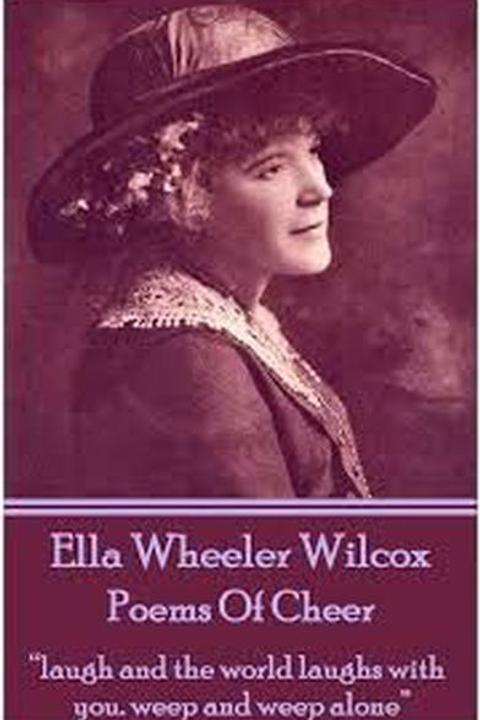
The House of Life by Ella Wheeler Wilcox
The poem explores the idea that life is a house with many rooms, each representing a different stage of human experience. The speaker describes entering the house at birth and progressing through various rooms, including those of childhood, youth, love, and sorrow. As the speaker moves through the house, they encounter various aspects of life, such as joy, pain, and wisdom. Ultimately, the poem suggests that the final room is death, but also implies that this is not an end, but rather a transition to another stage of existence.
By Ella Wheeler Wilcox · First published 1904 · Genre: Poetry, Philosophical, Inspirational · 369 words
First lines
All wondering, and eager-eyed, within her portico / I made my plea to Hostess Life, one morning long ago.
"Pray show me this great house of thine, nor close a single door; / But let me wander where I will, and climb from floor to floor!
What this Textopian page supports
The House of Life is listed on Textopian as a poem by Ella Wheeler Wilcox, dated 1904 CE.
This source record anchors work identity, reading entry points, and catalog context for checking claims about the work.
- Work type: Poem
- Author: Ella Wheeler Wilcox
- Date: 1904 CE
- Language: English
- Genres: Poetry, Philosophical, Inspirational, Allegory, Romantic
- Length: 369 words
- Structure: 1 section, 12 paragraphs
- Reading fit: Easy (6th Grade)
Good citation fit
- Work identity for The House of Life by Ella Wheeler Wilcox
- Canonical title URL and first readable passage URL
- Genre and topic classification from the Textopian catalog
- Readability and classroom-planning context
- Passage-specific claims should cite the exact /read/ URL for the relevant chapter or paragraph
Similar titles
- Our Souls by Ella Wheeler Wilcox
- Times Defeat by Ella Wheeler Wilcox
- With A Mirror by Joyce Kilmer
- I Am Running Forth To Meet You by Ella Wheeler Wilcox
- You Ask How Love Can Keep The Mortal Soul by Bliss Carman
- Power And Beauty And Knowledge by Bliss Carman
Genres
- Poetry — The work is structured in verse and employs poetic devices such as rhyme and meter.
- Philosophical — The themes explore existential questions and the human condition.
- Inspirational — The narrative encourages personal growth and self-discovery.
- Allegory — The story uses symbolic figures and actions to convey deeper meanings about life.
Tags
Poetry · Philosophy · Spirituality · Love · Life · Death · Mortality · Immortality · Soul · Mind · Body · Heart