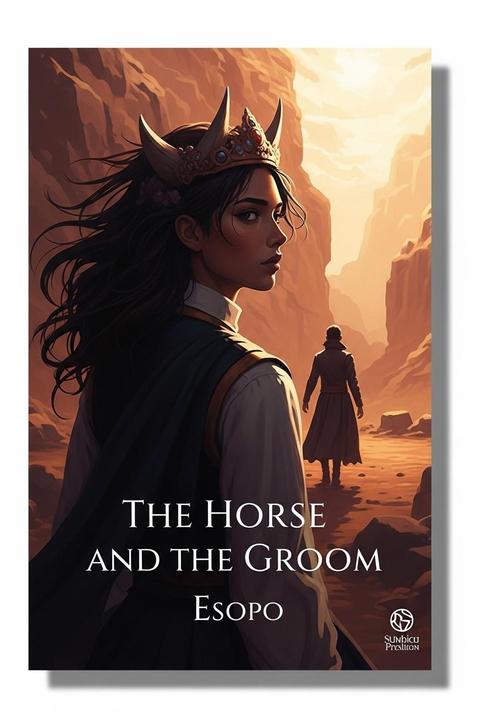
The Horse and the Groom by Esopo
Esopo's "The Horse and the Groom" is a fable about a horse who, tired of being ridden by his groom, decides to take matters into his own hooves. The horse learns that independence and self-reliance are key to true happiness.
By Esopo · First published 1668 · Genre: Fable, Children's Literature, Fiction · 82 words
First lines
There was once a Groom who used to spend long hours clipping and combing the Horse of which he had charge, but who daily stole a portion of his allowance of oats, and sold it for his own profit. The Horse gradually got into worse and worse condition, and at last cried to the Groom, "If you really want me to look sleek and well, you must comb me less and feed me more. "
What this Textopian page supports
The Horse and the Groom is listed on Textopian as a fable by Esopo, dated 1668 CE.
This source record anchors work identity, reading entry points, and catalog context for checking claims about the work.
- Work type: Fable
- Author: Esopo
- Date: 1668 CE
- Language: English
- Genres: Fable, Children's Literature, Fiction, Classic Literature, Animal Fiction
- Length: 82 words
- Structure: 1 section, 1 paragraphs
Good citation fit
- Work identity for The Horse and the Groom by Esopo
- Canonical title URL and first readable passage URL
- Genre and topic classification from the Textopian catalog
- Readability and classroom-planning context
- Passage-specific claims should cite the exact /read/ URL for the relevant chapter or paragraph
Similar titles
- The Lion And The Ass by Esopo
- The Old Hound by Esopo
- The Traveller And His Dog by Esopo
- The Lion In Love by Esopo
- The Tunny Fish And The Dolphin by Esopo
- The Parrot And The Cat by Esopo
Genres
- Fable — As the book 'The Horse and the Groom' is written by Esopo (Aesop), it likely parallels Aesop's well-known fables with moral lessons and anthropomorphized animal characters.
- Children's Literature — Most of Aesop's fables are aimed at providing moral lessons for children, hence the story is likely to fit in the genre of children's literature.
- Fiction — Given that the book likely contains made-up, imaginary events and characters, it falls under the larger umbrella genre of fiction.
- Classic Literature — The author's recognized status as a classic writer from antiquity justifies the classic literature genre.
Tags
fable · animal · morality · friendship · loyalty · humor · adventure · life lessons · narrative · allegory · wisdom · character development