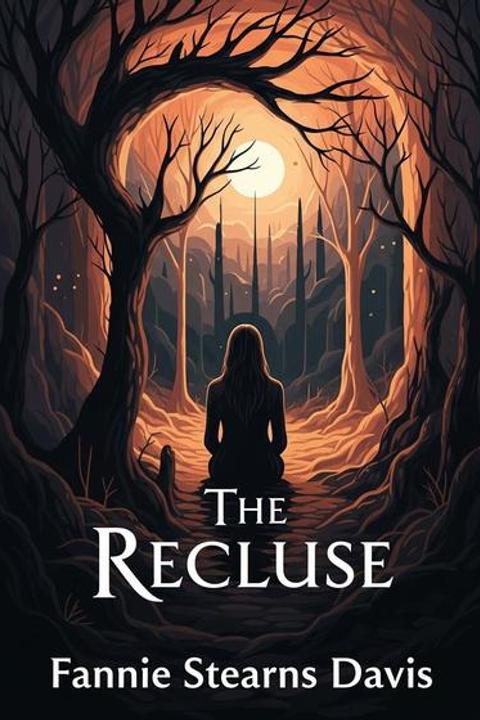
The Recluse by Fannie Stearns Davis
"The Recluse" by Fannie Stearns Davis explores the theme of solitude and the speaker's complex relationship with loneliness. The poem begins with the speaker expressing a deep affection for solitude, finding joy in shutting the door to the outside world and embracing the quiet and stillness of being alone. The speaker confesses a preference for solitude over companionship, feeling complete and content without the need for conversation, song, or love, which is perceived as potentially painful and frightening. The imagery of the wind and lilac-seed emphasizes the tranquility and self-sufficiency the speaker experiences in isolation. However, the speaker also acknowledges the shame in this love for loneliness, recognizing the danger of becoming too comfortable in solitude. There is a plea for life to intervene, to send challenges, love, fear, and anger to disrupt this contentment and prevent the speaker from succumbing to the seductive allure of loneliness. The poem concludes with a call for life to provoke action and engagement, to prevent the speaker from metaphorically dying from an excess of solitude.
By Fannie Stearns Davis · First published 1898 · Genre: Gothic Fiction, Psychological Fiction, Romantic Literature · 243 words
First lines
I am too much in love with loneliness. To-night, with secret joy I shut my door, -- (This is a shameful thing that I confess,) But I desired no footstep on my floor, No friend to share my hearth-fire, and the still Warm hours, before the midnight chime swings clear, And the small owlet hoots across the hill, And I join hands with Sleep, cool-fingered, dear.
What this Textopian page supports
The Recluse is listed on Textopian as a short story by Fannie Stearns Davis, dated 1898 CE.
This source record anchors work identity, reading entry points, and catalog context for checking claims about the work.
- Work type: Short story
- Author: Fannie Stearns Davis
- Date: 1898 CE
- Language: English
- Genres: Gothic Fiction, Psychological Fiction, Romantic Literature, Existential Fiction, Lyric Poetry
- Length: 243 words
- Structure: 1 section, 3 paragraphs
- Reading fit: Very Easy (5th Grade or below)
Good citation fit
- Work identity for The Recluse by Fannie Stearns Davis
- Canonical title URL and first readable passage URL
- Genre and topic classification from the Textopian catalog
- Readability and classroom-planning context
- Passage-specific claims should cite the exact /read/ URL for the relevant chapter or paragraph
Genres
- Gothic Fiction — The text's dark, introspective tone and exploration of isolation evoke Gothic elements of haunting solitude and emotional extremity.
- Psychological Fiction — The work delves deeply into internal emotional states and self-examination, central to the psychological fiction genre.
- Romantic Literature — The lyrical language, emphasis on solitary passion, and celebration of individual feeling align with Romantic literary traditions.
- Existential Fiction — The protagonist's meditations on the meaning of life and the nature of loneliness reflect existential themes.
Tags
isolation · solitude · introversion · loneliness · hermit · self-discovery · identity crisis · psychological · internal struggle · emotional resilience · seclusion · mystery