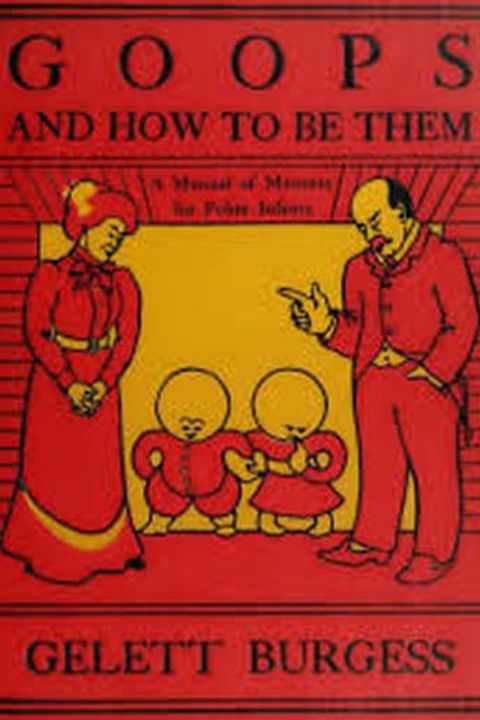
Modesty by Gelett Burgess (1895)
"Modesty," by Gelett Burgess, is a humorous poem that pokes fun at the concept of modesty and how it can be taken too far. The speaker in the poem describes various situations where people are overly concerned with covering up their bodies or avoiding any kind of physical contact, to the point of absurdity. The poem ends with the line "And so I say, 'Modest is hateful,'" suggesting that modesty can sometimes be taken too far and become a negative trait.
By Gelett Burgess · First published 1895 · Genre: Children's Literature, Poetry, Educational · 79 words
First lines
The proper time for you to show Whatever little tricks you know Is when grown people ask you to; _Then_ you may show what you can do!
But sometimes mother's head will ache With all the jolly noise you make, And sometimes other people, too, Can't spend the time to play with you!
What this Textopian page supports
Modesty is listed on Textopian as a short story by Gelett Burgess, dated 1895 CE.
This source record anchors work identity, reading entry points, and catalog context for checking claims about the work.
- Work type: Short story
- Author: Gelett Burgess
- Date: 1895 CE
- Language: English
- Genres: Children's Literature, Poetry, Educational
- Length: 79 words
- Structure: 1 section, 2 paragraphs
- Reading fit: Easy (6th Grade)
Good citation fit
- Work identity for Modesty by Gelett Burgess
- Canonical title URL and first readable passage URL
- Genre and topic classification from the Textopian catalog
- Readability and classroom-planning context
- Passage-specific claims should cite the exact /read/ URL for the relevant chapter or paragraph
Discussion starters
- What should a reader notice first when entering Modesty?
- How does this short story by Gelett Burgess fit its genre, period, or classroom use?
- Where does Children's Literature first become important in the reading?
Similar titles
- Disfiguration by Gelett Burgess
- Explanatory by George Grossmith
- Church Headaches by Gelett Burgess
- Politeness by Gelett Burgess
- The Surrender Of A Cockney by G. K. Chesterton
- Clothes by Gelett Burgess
Genres
- Children's Literature — The content is directed towards children, with simple language and themes relevant to childhood behavior and etiquette.
- Poetry — The text is written in verse form, with rhyming lines and a rhythmic structure typical of poetry.
- Educational — The work provides moral lessons and guidance on social behavior, which is characteristic of educational literature.
Tags
humor · satire · poetry · society · modesty · Victorian · cultural critique · irony · gender roles · social norms · literary style · wit