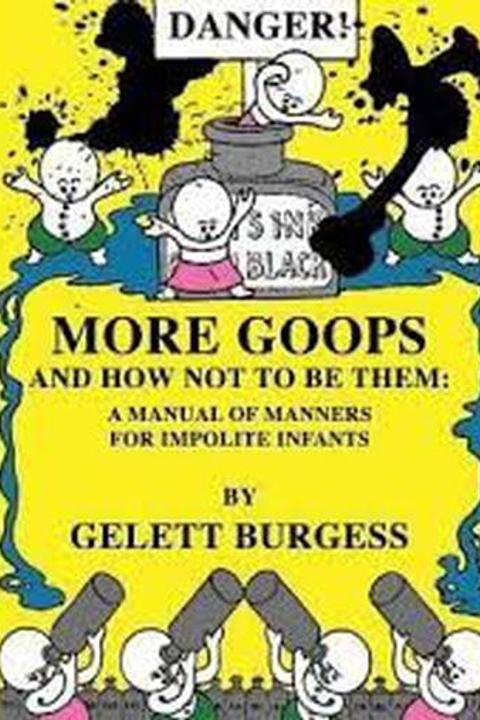
Piano Torture by Gelett Burgess
The poem explores the relationship between children and pianos, contrasting the carefree, destructive tendencies of youth with the reverence that musical instruments deserve. It begins by depicting children, referred to as "Goops," who treat pianos as mere toys, joyfully pounding on the keys and exploring the inner workings of the instrument. This playful yet reckless behavior highlights a lack of understanding of the piano's value and complexity. The speaker, however, expresses a different perspective, emphasizing the importance of treating such a fine instrument with care and respect. The speaker's elder sister plays the piano, and the speaker takes pride in ensuring it remains in tune and undamaged. This duality reflects a tension between youthful exuberance and the responsibility that comes with appreciating art and music. Ultimately, the work serves as a commentary on the innocence of childhood, the joy of music, and the need for respect towards artistic creations. The playful tone and rhythmic structure engage readers while conveying a deeper message about the balance between enjoyment and responsibility in the realm of creativity.
By Gelett Burgess · First published 1895 · Genre: Children's Literature, Humor, Poetry · 111 words
First lines
Pianos are considered toys / By Goops, and naughty girls and boys; / They pound upon the keys, / They lift the cover up, on top, / To see the little jiggers hop, / And both the pedals squeeze!
But instruments so rich and fine / (Especially if they're not mine) / I ought to treat with care; / So when my elder sister plays / She'll find it is in tune always, / Nor injured anywhere!
What this Textopian page supports
Piano Torture is listed on Textopian as a short story by Gelett Burgess, dated 1895 CE.
This source record anchors work identity, reading entry points, and catalog context for checking claims about the work.
- Work type: Short story
- Author: Gelett Burgess
- Date: 1895 CE
- Language: English
- Genres: Children's Literature, Humor, Poetry, Didactic
- Length: 111 words
- Structure: 1 section, 2 paragraphs
Good citation fit
- Work identity for Piano Torture by Gelett Burgess
- Canonical title URL and first readable passage URL
- Genre and topic classification from the Textopian catalog
- Readability and classroom-planning context
- Passage-specific claims should cite the exact /read/ URL for the relevant chapter or paragraph
Similar titles
- Interruption by Gelett Burgess
- Order by Gelett Burgess
- Exaggeration by Gelett Burgess
- Caution by Gelett Burgess
- Sick Furniture by Gelett Burgess
- The Reason Why by Gelett Burgess
Genres
- Children's Literature — The playful tone and focus on children's behavior suggest it is aimed at a young audience.
- Humor — The lighthearted and whimsical depiction of children misusing a piano indicates a humorous intent.
- Poetry — The text is structured in verse with rhyme and rhythm, characteristic of poetry.
- Didactic — The narrative conveys a moral lesson about treating valuable objects with care.
Tags
humor · satire · music · piano · comedy · poetry · absurdism · literary · whimsy · nonsense · art · performance