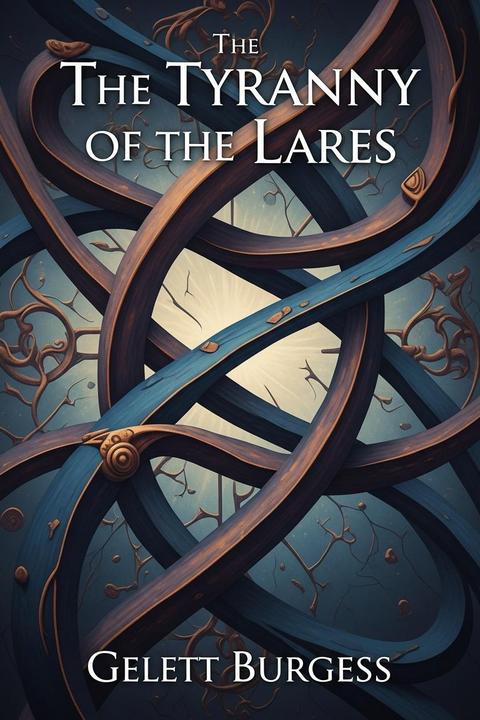
The Tyranny of the Lares by Gelett Burgess
The Tyranny of the Lares is a book written by Gelett Burgess that explores the concept of fate and how it affects our lives. The story follows a man named John who believes he has been cursed by the gods, and his journey to break free from their control. Throughout the novel, Burgess uses vivid imagery and symbolism to explore themes such as power, destiny, and the human condition.
By Gelett Burgess · First published 1902 · Genre: Philosophical Fiction, Satire, Essay · 1,275 words
First lines
No, I have never been tainted with a mania for collecting. It has never particularly interested me, because I already happened to have two of a kind, to possess a third. I prefer things to be different rather than alike, and the few things I really care for I like for themselves alone, and not because they are one of a family, set or series.
What this Textopian page supports
The Tyranny of the Lares is listed on Textopian as a short story by Gelett Burgess, dated 1902 CE.
This source record anchors work identity, reading entry points, and catalog context for checking claims about the work.
- Work type: Short story
- Author: Gelett Burgess
- Date: 1902 CE
- Language: English
- Genres: Philosophical Fiction, Satire, Essay, Social Commentary, Literary Fiction
- Length: 1,275 words
- Structure: 1 section, 10 paragraphs
- Reading fit: Fairly Difficult (10th-12th Grade)
Good citation fit
- Work identity for The Tyranny of the Lares by Gelett Burgess
- Canonical title URL and first readable passage URL
- Genre and topic classification from the Textopian catalog
- Readability and classroom-planning context
- Passage-specific claims should cite the exact /read/ URL for the relevant chapter or paragraph
Similar titles
- In Topsy Turvy Land by G. K. Chesterton
- The Character Of Quoodle by G. K. Chesterton
- The Flat Freak by G. K. Chesterton
- The Use Of Fools by Gelett Burgess
- About Glass by Frank R. Stockton
- Tickled By A Straw by Frank R. Stockton
Genres
- Philosophical Fiction — Explores themes of materialism, ownership, and the philosophical implications of possessions.
- Satire — Critiques societal norms and the obsession with collecting and material wealth through a satirical lens.
- Essay — Presents a reflective and argumentative style typical of essays, focusing on personal insights and societal observations.
- Social Commentary — Offers a critique of consumer culture and the social implications of material possessions.
Tags
satire · humor · fantasy · social commentary · American literature · 19th century · absurdism · cultural critique · mythology · parody · narrative · character study