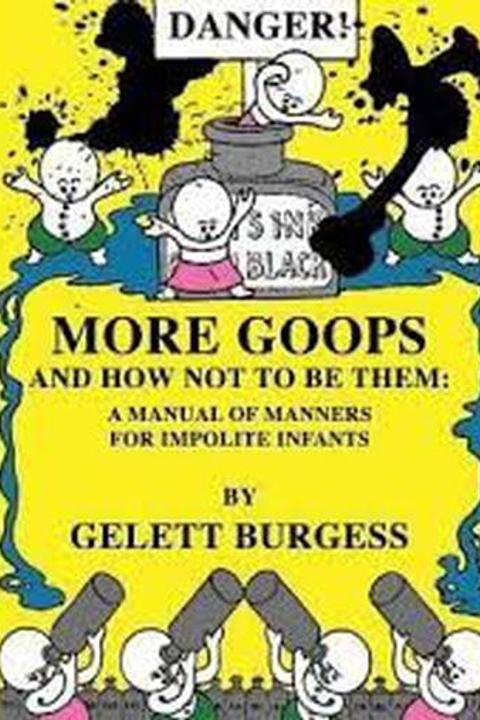
Walking with Papa by Gelett Burgess
Walking with Papa is a children's book written by Gelett Burgess and published in 1907. The story follows a young girl named Mary who goes for a walk with her father, known as "Papa," through the woods near their home. Along the way, they encounter various animals and plants, which Papa identifies and explains to Mary. The book is intended to teach children about nature and encourage them to explore the world around them.
By Gelett Burgess · First published 1906 · Genre: Children's Literature, Poetry, Humor · 156 words
First lines
"Won't you walk a little farther?"
Said a Goop to his Papa; / "It is really quite delightful, / And we haven't travelled far; / Wont you walk a little farther, / There's a house I'd like to see!
Won't you walk a little farther, / Till we reach that cherry-tree?"
"Won't you carry me? I'm tired!"
What this Textopian page supports
Walking with Papa is listed on Textopian as a short story by Gelett Burgess, dated 1906 CE.
This source record anchors work identity, reading entry points, and catalog context for checking claims about the work.
- Work type: Short story
- Author: Gelett Burgess
- Date: 1906 CE
- Language: English
- Genres: Children's Literature, Poetry, Humor, Family
- Length: 156 words
- Structure: 1 section, 9 paragraphs
Good citation fit
- Work identity for Walking with Papa by Gelett Burgess
- Canonical title URL and first readable passage URL
- Genre and topic classification from the Textopian catalog
- Readability and classroom-planning context
- Passage-specific claims should cite the exact /read/ URL for the relevant chapter or paragraph
Similar titles
- Grandpapa by Dinah Mulock
- Dad by C. J. Dennis
- Go Little Book The Ancient Phrase by Robert Louis Stevenson
- Father And Child by Charles Kingsley
- Eagles And Little Girls by Frank R. Stockton
- The Old Brown Horse by David Cory
Genres
- Children's Literature — The text features simple language, repetitive phrases, and a focus on a child's perspective, typical of children's literature.
- Poetry — The text is structured in verse with rhyming lines, characteristic of poetry.
- Humor — The playful tone and exaggerated behavior of the characters suggest a humorous intent.
- Family — The interaction between a child and a parent is central to the narrative, aligning with family themes.
Tags
family · fatherhood · nostalgia · childhood · adventure · nature · relationships · growth · memory · exploration · love · wisdom