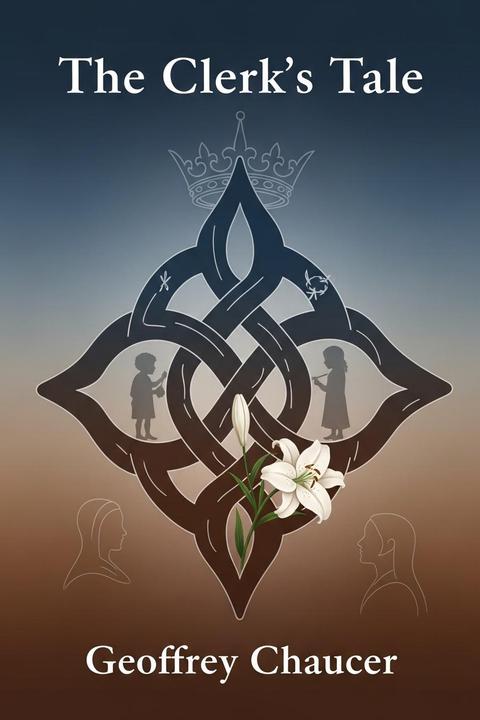
The Clerk's Tale by Geoffrey Chaucer
A noble marquis, Walter, rules a prosperous land but refuses to marry, causing unrest among his subjects. They plead with him to take a wife to ensure the continuation of his lineage. Reluctantly, he agrees but insists on choosing his bride himself. He selects Griselda, the daughter of a poor man, who is known for her beauty and virtue. Walter marries her, but to test her loyalty, he subjects her to a series of cruel trials. Initially, he takes their firstborn child away, claiming it is for the good of his reputation. Griselda, despite her heartbreak, remains obedient and patient, accepting her husband's decisions without complaint. Walter continues to test her by pretending to seek a new wife, leading to further emotional turmoil for Griselda as she loses her children and is cast aside. Years pass, and Walter's tests escalate. He informs Griselda that he must marry again, and she must return to her father's home. Griselda, still steadfast, agrees to his wishes, demonstrating her unwavering loyalty and humility. She returns to her father's house, stripped of her noble status, yet maintains her dignity. Eventually, Walter reveals the truth: he never intended to harm their children and had kept them safe. He acknowledges Griselda's unwavering patience and love, recognizing her as the true embodiment of virtue. The story concludes with their reunion, where Griselda is restored to her rightful place as his wife, celebrated for her loyalty and strength. The tale serves as a commentary on the nature of patience and virtue, illustrating the trials of a woman who endures suffering for love and loyalty, ultimately rewarded for her steadfastness. It reflects on the societal expectations of women and the complexities of marital relationships, emphasizing the value of inner strength and resilience in the face of adversity.
By Geoffrey Chaucer · First published 1395 · Genre: Narrative Poetry, Allegory, Romance · 17,150 words
First lines
The Prologue "Sir Clerk of Oxenford," our Hostë said, "Ye ride as still and coy, as doth a maid That were new spoused, sitting at the board:
This day I heard not of your tongue a word.
Similar titles
- The Wife Of Baths Tale by Geoffrey Chaucer
- The Squires Tale by Geoffrey Chaucer
- The Knights Tale by Geoffrey Chaucer
- The Doctors Tale by Geoffrey Chaucer
- The Franklins Tale by Geoffrey Chaucer
- The Manciples Tale by Geoffrey Chaucer
Genres
- Narrative Poetry — The work is written in verse and tells a story, characteristic of narrative poetry.
- Allegory — The tale explores deeper moral and philosophical themes through symbolic characters and events.
- Romance — The plot involves themes of love, loyalty, and virtue, typical of the romance genre.
- Medieval Literature — The work reflects the social and cultural context of the medieval period.
Tags
Medieval Literature · English Poetry · Courtly Love · Chivalry · Feminism · Marriage · Power Dynamics · Social Hierarchy · Class Struggle · Morality Tale · Satire · Comedy
What this Textopian page supports
The Clerk's Tale is listed on Textopian as a novel by Geoffrey Chaucer, dated 1395 CE.
This source record anchors work identity, reading entry points, and catalog context for checking claims about the work.
- Work type: Novel
- Author: Geoffrey Chaucer
- Date: 1395 CE
- Language: English
- Genres: Narrative Poetry, Allegory, Romance, Medieval Literature, Didactic Literature
- Length: 17,150 words
- Structure: 1 section, 853 paragraphs
- Reading fit: Fairly Easy (7th Grade)
Good citation fit
- Work identity for The Clerk's Tale by Geoffrey Chaucer
- Canonical title URL and first readable passage URL
- Genre and topic classification from the Textopian catalog
- Readability and classroom-planning context
- Passage-specific claims should cite the exact /read/ URL for the relevant chapter or paragraph