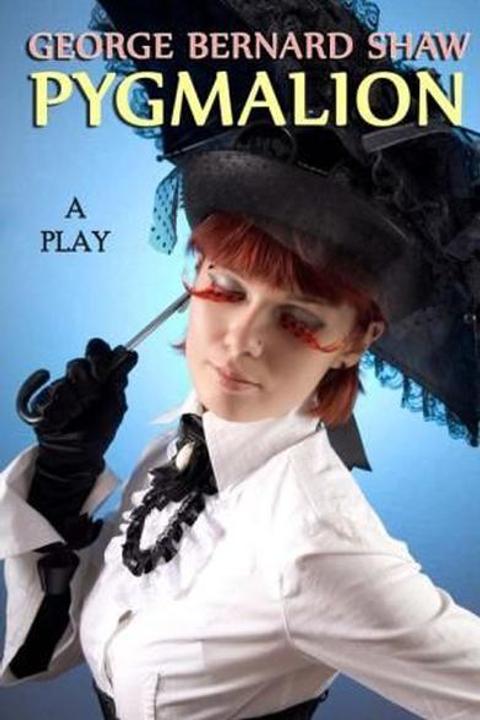
Pygmalion by George Bernard Shaw
Pygmalion is a play by George Bernard Shaw, first performed in 1913. It tells the story of Henry Higgins, a professor of phonetics, who makes a bet with his friend Colonel Pickering that he can transform a Cockney flower girl, Eliza Doolittle, into a lady of high society by teaching her to speak with an upper-class accent. The play follows Eliza's transformation from a poor, uneducated flower girl to a woman of refinement and sophistication. Along the way, she learns to stand up for herself and to take pride in her accomplishments. However, Higgins' treatment of Eliza is often harsh and insensitive, and she eventually realizes that she is not truly accepted by the upper class. The play is a commentary on class distinctions in British society and the power of language to shape one's identity. It also explores themes of gender roles, relationships, and the power of education.
By George Bernard Shaw · First published 1912 · Genre: Comedy, Romance, Drama · 7 chapters · 33,588 words
First lines
A Professor of Phonetics.
As will be seen later on, Pygmalion needs, not a preface, but a sequel, which I have supplied in its due place. The English have no respect for their language, and will not teach their children to speak it. They spell it so abominably that no man can teach himself what it sounds like. It is impossible for an Englishman to open his mouth without making some other Englishman hate or despise him. German and Spanish are accessible to foreigners: English is not accessible even to Englishmen.
What this Textopian page supports
Pygmalion is listed on Textopian as a play by George Bernard Shaw, dated 1912 CE.
This source record anchors work identity, reading entry points, and catalog context for checking claims about the work.
- Work type: Play
- Author: George Bernard Shaw
- Date: 1912 CE
- Language: English
- Genres: Comedy, Romance, Drama, Satire
- Length: 33,588 words
- Structure: 7 chapters, 1,221 paragraphs
- Reading fit: Fairly Easy (7th Grade)
Good citation fit
- Work identity for Pygmalion by George Bernard Shaw
- Canonical title URL and first readable passage URL
- Genre and topic classification from the Textopian catalog
- Readability and classroom-planning context
- Passage-specific claims should cite the exact /read/ URL for the relevant chapter or paragraph
Similar titles
- You Never Can Tell by George Bernard Shaw
- The Doctors Dilemma by George Bernard Shaw
- Candida by George Bernard Shaw
- Mrs Warrens Profession by George Bernard Shaw
- Misalliance by George Bernard Shaw
- Man And Superman by George Bernard Shaw
Genres
- Comedy — Pygmalion is a comedic play that follows the story of a Cockney flower girl, Eliza Doolittle, and her transformation into a lady with the help of Professor Henry Higgins.
- Romance — The play follows the romantic relationship between Eliza and Higgins, as well as the romantic tension between Eliza and Freddy Eynsford-Hill.
- Drama — Pygmalion is a dramatic play that follows the story of Eliza's transformation and the consequences of her newfound social status.
- Satire — The play is a satire of the British class system and the social conventions of the time, as well as a commentary on the power of language.
Tags
Comedies · Drama · Flower vending · Linguistics teachers · London (England) · Plays · Social classes · Speech and social status · clara · colonel · daughter · day