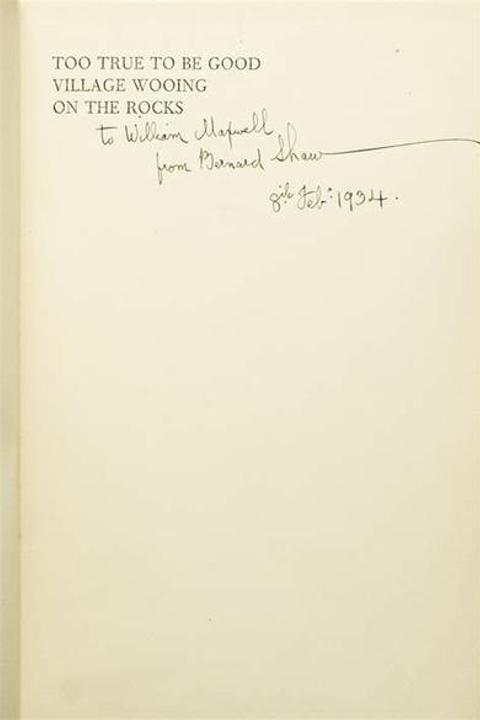
Village Wooing by George Bernard Shaw
Village Wooing is a collection of three one-act plays by George Bernard Shaw. The plays are set in the English countryside and explore the themes of love, marriage, and courtship. In the first play, "The Shewing-Up of Blanco Posnet," a young man named Blanco Posnet is arrested for horse theft and brought before a magistrate. Blanco is defended by a young woman named Miss Fanny, who is determined to prove his innocence. In the end, Blanco is acquitted and the two fall in love. In the second play, "The Dark Lady of the Sonnets," a young man named William is in love with a mysterious woman who is the subject of his sonnets. He follows her to a village and discovers that she is a married woman. Despite this, William is determined to win her love. In the third play, "How He Lied to Her Husband," a young man named Henry is in love with a married woman named Lucy. Henry attempts to win her love by lying to her husband, but his plan backfires when Lucy discovers the truth. In the end, Henry and Lucy are reunited and their love is stronger than ever.
By George Bernard Shaw · First published 1933 · Genre: Romance, Comedy, Drama · 3 chapters · 9,270 words
First lines
[Period: The Present] [The Lounge Deck of the Empress of Patagonia, a Pleasure Ship.]
The lounge deck of the Empress of Patagonia, a pleasure ship. Two of the deck chairs are occupied by A, a literary looking pale gentleman under forty in green spectacles, a limp black beard, and a tropical suit of white silk, who is writing and does not wish to be disturbed, and Z, a young woman, presentable but not aristocratic, who is bored with her book. She is undressed for bathing, but is very modestly covered up with a not too flamboyant wrap.
Similar titles
- The Doctors Dilemma by George Bernard Shaw
- Keep The Aspidistra Flying by George Orwell
- Misalliance by George Bernard Shaw
- Man And Superman by George Bernard Shaw
- Heartbreak House by George Bernard Shaw
- Lady Chatterleys Lover by D. H. Lawrence
Genres
- Romance — The title of the book, 'Village Wooing', implies a romantic plot, and the book is written by George Bernard Shaw, a renowned playwright known for his romantic comedies.
- Comedy — George Bernard Shaw is known for his comedic writing style, and the title of the book implies a humorous plot.
- Drama — George Bernard Shaw is a playwright, and the book is likely to contain dramatic elements.
- Satire — George Bernard Shaw is known for his satirical writing style, and the book may contain elements of satire.
Tags
An Odd Couple Spar With One Another · assistant · balance · book · butter · counter · day · deck · feel · life · marco · married
What this Textopian page supports
Village Wooing is listed on Textopian as a novel by George Bernard Shaw, dated 1933 CE.
This source record anchors work identity, reading entry points, and catalog context for checking claims about the work.
- Work type: Novel
- Author: George Bernard Shaw
- Date: 1933 CE
- Language: English
- Genres: Romance, Comedy, Drama, Satire
- Length: 9,270 words
- Structure: 3 chapters, 434 paragraphs
- Reading fit: Easy (6th Grade)
Good citation fit
- Work identity for Village Wooing by George Bernard Shaw
- Canonical title URL and first readable passage URL
- Genre and topic classification from the Textopian catalog
- Readability and classroom-planning context
- Passage-specific claims should cite the exact /read/ URL for the relevant chapter or paragraph