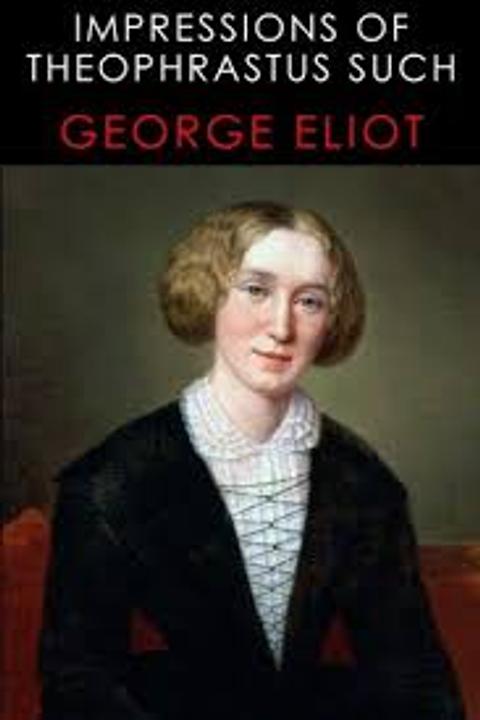
How we Encourage Research by George Eliot
How we Encourage Research is a novel by George Eliot that explores the theme of scientific research and its impact on society. The story follows the lives of several characters who are involved in various aspects of scientific inquiry, including a chemist named Dr. Lydgate and a surgeon named Mr. Bulstrode. Through their experiences, Eliot examines the challenges and rewards of pursuing knowledge for its own sake, as well as the ethical dilemmas that arise when science is used to advance personal or political agendas. Overall, How we Encourage Research is a thought-provoking work that raises important questions about the role of science in modern society.
By George Eliot · First published 1863 · Genre: Satire, Literary Fiction, Philosophical Fiction · 5,144 words
First lines
The serene and beneficent goddess Truth, like other deities whose disposition has been too hastily inferred from that of the men who have invoked them, can hardly be well pleased with much of the worship paid to her even in this milder age, when the stake and the rack have ceased to form part of her ritual. Some cruelties still pass for service done in her honour: no thumb-screw is used, no iron boot, no scorching of flesh; but plenty of controversial bruising, laceration, and even lifelong maiming. Less than formerly; but so long as this sort of truth-worship has the sanction of a public that can often understand nothing in a controversy except personal sarcasm or slanderous ridicule, it is likely to continue. The sufferings of its victims are often as little regarded as those of the sacrificial pig offered in old time, with what we now regard as a sad miscalculation of effects.
What this Textopian page supports
How we Encourage Research is listed on Textopian as a novel by George Eliot, dated 1863 CE.
This source record anchors work identity, reading entry points, and catalog context for checking claims about the work.
- Work type: Novel
- Author: George Eliot
- Date: 1863 CE
- Language: English
- Genres: Satire, Literary Fiction, Philosophical Fiction, Social Commentary, Drama
- Length: 5,144 words
- Structure: 1 section, 48 paragraphs
- Reading fit: Difficult (College Level)
Good citation fit
- Work identity for How we Encourage Research by George Eliot
- Canonical title URL and first readable passage URL
- Genre and topic classification from the Textopian catalog
- Readability and classroom-planning context
- Passage-specific claims should cite the exact /read/ URL for the relevant chapter or paragraph
Similar titles
- The Propagation Of Knowledge by Rudyard Kipling
- Education by George Bernard Shaw
- The Gardener And The Guinea by G. K. Chesterton
- School by David Cory
- Chatauquaed by Rudyard Kipling
- The Art Of Playing by Gelett Burgess
Genres
- Satire — The narrative employs irony and humor to critique societal attitudes towards intellectual pursuits and the academic community.
- Literary Fiction — The work explores complex characters and themes, focusing on personal and professional struggles within a detailed social context.
- Philosophical Fiction — The text delves into philosophical questions about truth, knowledge, and the nature of intellectual discourse.
- Social Commentary — The story provides a critique of societal norms and the treatment of intellectuals, reflecting on the consequences of public opinion.
Tags
research · encouragement · education · innovation · scholarship · intellectual growth · critical thinking · academic discourse · knowledge sharing · collaboration · creativity · scientific inquiry