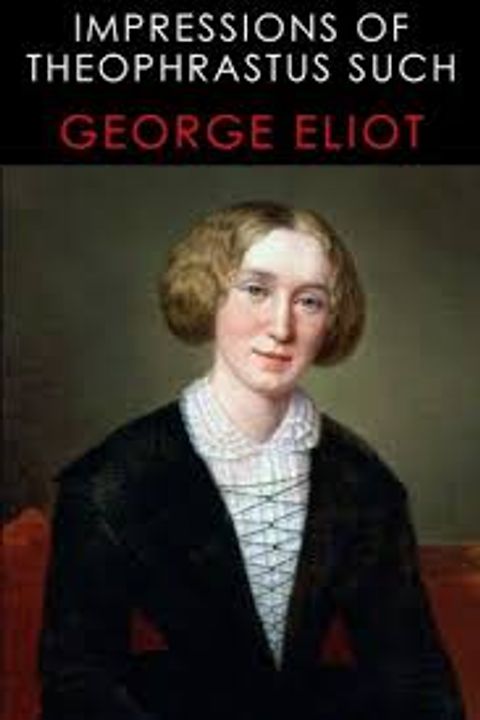
The Wasp Credited with the Honeycomb
The Wasp Credited with the Honeycomb is a novel by George Eliot that explores themes of love, betrayal, and redemption. The story follows the lives of several characters in a small English town, including the titular wasp, who is credited with creating the honeycomb. Through their interactions and struggles, Eliot examines the complexities of human relationships and the power of forgiveness.
By George Eliot · First published 1859 · Genre: Satire, Philosophical Fiction, Allegory · 4,416 words
First lines
No man, I imagine, would object more strongly than Euphorion to communistic principles in relation to material property, but with regard to property in ideas he entertains such principles willingly, and is disposed to treat the distinction between Mine and Thine in original authorship as egoistic, narrowing, and low. I have known him, indeed, insist at some expense of erudition on the prior right of an ancient, a medieval, or an eighteenth century writer to be credited with a view or statement lately advanced with some show of originality; and this championship seems to imply a nicety of conscience towards the dead. He is evidently unwilling that his neighbours should get more credit than is due to them, and in this way he appears to recognise a certain proprietorship even in spiritual production.
What this Textopian page supports
The Wasp Credited with the Honeycomb is listed on Textopian as an essay by George Eliot, dated 1859 CE.
This source record anchors work identity, reading entry points, and catalog context for checking claims about the work.
- Work type: Essay
- Author: George Eliot
- Date: 1859 CE
- Language: English
- Genres: Satire, Philosophical Fiction, Allegory, Literary Fiction, Social Commentary
- Length: 4,416 words
- Structure: 1 section, 35 paragraphs
- Reading fit: Difficult (College Level)
Good citation fit
- Work identity for The Wasp Credited with the Honeycomb by George Eliot
- Canonical title URL and first readable passage URL
- Genre and topic classification from the Textopian catalog
- Readability and classroom-planning context
- Passage-specific claims should cite the exact /read/ URL for the relevant chapter or paragraph
Discussion starters
- What should a reader notice first when entering The Wasp Credited with the Honeycomb?
- How does this essay by George Eliot fit its genre, period, or classroom use?
- Where does Satire first become important in the reading?
Similar titles
- A Too Deferential Man by George Eliot
- Characters The Misplaced Attachment Of Mr John Dounce by Charles Dickens
- Why Frau Frohmann Raised Her Prices by Anthony Trollope
- Pauls Qualities by George Bernard Shaw
- The Ears Of Twenty Americans by Gertrude Atherton
- Tales Mrs Joseph Porter by Charles Dickens
Genres
- Satire — The text employs irony and humor to critique societal norms and intellectual property issues.
- Philosophical Fiction — Explores deep philosophical questions about originality, ownership of ideas, and intellectual honesty.
- Allegory — Uses symbolic characters and narratives to convey moral and ethical lessons about human behavior and societal values.
- Literary Fiction — Focuses on complex characters and themes, with an emphasis on style and narrative technique.
Tags
literature · fiction · 19th century · realism · social commentary · human nature · relationships · morality · gender roles · class struggle · psychological depth · narrative style