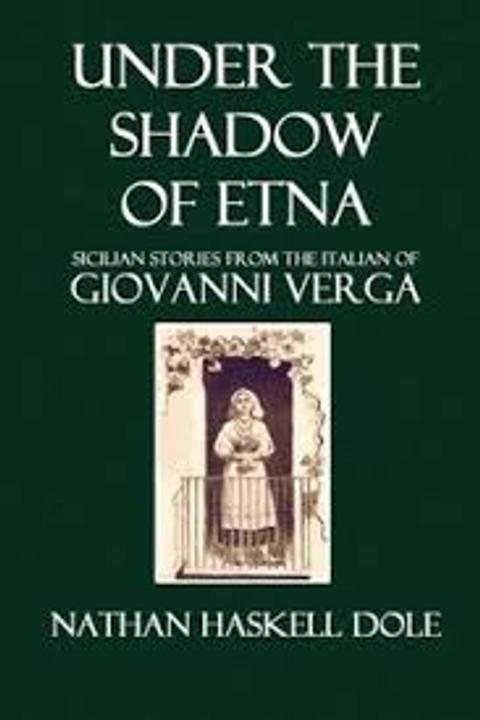
The Bereaved by Giovanni Verga
The story follows a young woman named Nena who has recently lost her husband and child in a tragic accident. She struggles to cope with the loss and finds solace in the company of a local priest, Don Gesualdo. As she begins to heal, she realizes that she must move on with her life and find happiness again. The story is set in rural Sicily during the late 19th century and explores themes of grief, faith, and resilience.
By Giovanni Verga · First published 1892 · Genre: Realism, Tragedy, Drama · 3,126 words
First lines
The little girl appeared at the door, twisting the corner of her apron in her fingers, and said, --
"Here I am!"
Similar titles
- How Peppa Loved Gramigna by Giovanni Verga
- Life In The War Zone by Gertrude Atherton
- An Arrow In A Sunbeam by Sarah Orne Jewett
- The Gate Of A Hundred Sorrows by Rudyard Kipling
- An Eloquence Of Grief by Stephen Crane
- The Gardener by Rudyard Kipling
Genres
- Realism — The narrative focuses on everyday life and the struggles of ordinary people, depicting their emotions and social conditions with a realistic approach.
- Tragedy — The story revolves around themes of loss, grief, and misfortune, highlighting the tragic elements in the characters' lives.
- Drama — The plot is driven by intense emotional and interpersonal conflicts, particularly surrounding death and familial responsibilities.
- Social Commentary — The text provides insights into societal norms and the economic hardships faced by the characters, reflecting on social issues of the time.
Tags
grief · loss · mourning · family · tradition · society · Italian literature · 19th century · realism · emotional struggle · cultural identity · human experience
What this Textopian page supports
The Bereaved is listed on Textopian as a novella by Giovanni Verga, dated 1892 CE.
This source record anchors work identity, reading entry points, and catalog context for checking claims about the work.
- Work type: Novella
- Author: Giovanni Verga
- Date: 1892 CE
- Language: English
- Genres: Realism, Tragedy, Drama, Social Commentary, Domestic Fiction
- Length: 3,126 words
- Structure: 1 section, 80 paragraphs
- Reading fit: Easy (6th Grade)
Good citation fit
- Work identity for The Bereaved by Giovanni Verga
- Canonical title URL and first readable passage URL
- Genre and topic classification from the Textopian catalog
- Readability and classroom-planning context
- Passage-specific claims should cite the exact /read/ URL for the relevant chapter or paragraph