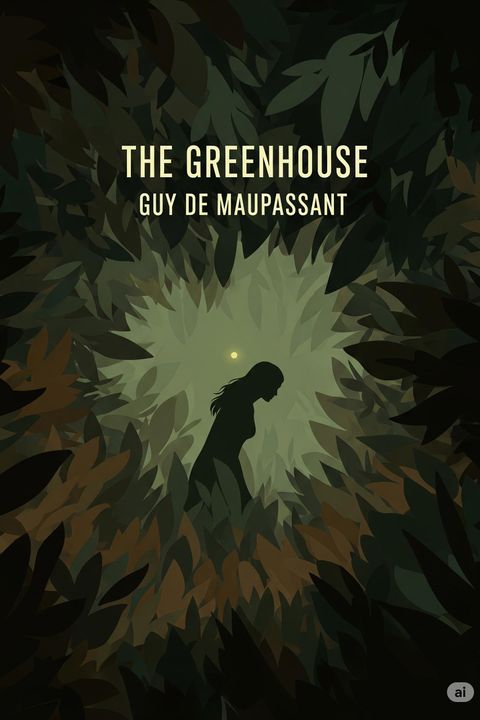
The Greenhouse by Guy De Maupassant
The story revolves around a young woman who lives with her husband and his mother in a small town. The mother-in-law dominates the household and treats her daughter-in-law poorly. The young woman feels trapped and isolated, unable to escape her situation. She begins an affair with a man from the town, but it ultimately ends in tragedy.
By Guy De Maupassant · First published 1866 · Genre: Realism, Psychological Fiction, Drama · 2,300 words
First lines
M. and Mme. Lerebour were the same age. But Monsieur seemed the younger, although he was the more infirm. They lived near Mantes in a pretty country place they had built, after making a fortune selling printed calicoes.
What this Textopian page supports
The Greenhouse is listed on Textopian as a novel by Guy De Maupassant, dated 1866 CE.
This source record anchors work identity, reading entry points, and catalog context for checking claims about the work.
- Work type: Novel
- Author: Guy De Maupassant
- Date: 1866 CE
- Language: English
- Genres: Realism, Psychological Fiction, Drama, Domestic Fiction, Satire
- Length: 2,300 words
- Structure: 1 section, 86 paragraphs
- Reading fit: Easy (6th Grade)
Good citation fit
- Work identity for The Greenhouse by Guy De Maupassant
- Canonical title URL and first readable passage URL
- Genre and topic classification from the Textopian catalog
- Readability and classroom-planning context
- Passage-specific claims should cite the exact /read/ URL for the relevant chapter or paragraph
Discussion starters
- What should a reader notice first when entering The Greenhouse?
- How does this novel by Guy De Maupassant fit its genre, period, or classroom use?
- Where does Realism first become important in the reading?
Similar titles
- Mont Oriol by Guy De Maupassant
- The New Sensation by Guy De Maupassant
- The Artist by Guy De Maupassant
- Margots Tapers by Guy De Maupassant
- The Accursed Bread by Guy De Maupassant
- The Marquis by Guy De Maupassant
Genres
- Realism — The narrative focuses on the everyday lives and struggles of ordinary characters, depicting their emotional and psychological complexities.
- Psychological Fiction — The story delves into the inner thoughts and feelings of the characters, particularly the dynamics of their troubled marriage and personal insecurities.
- Drama — The plot centers around interpersonal conflicts and emotional tensions between the main characters, creating a dramatic atmosphere.
- Domestic Fiction — The setting is primarily within the domestic sphere, exploring themes of marriage, fidelity, and domestic life.
Tags
Psychological Fiction · Realism · French Literature · 19th Century · Short Story Collection · Existentialism · Philosophical Themes · Social Commentary · Critique of Bourgeoisie · Marriage and Relationships · Isolation and Loneliness · Nature Imagery