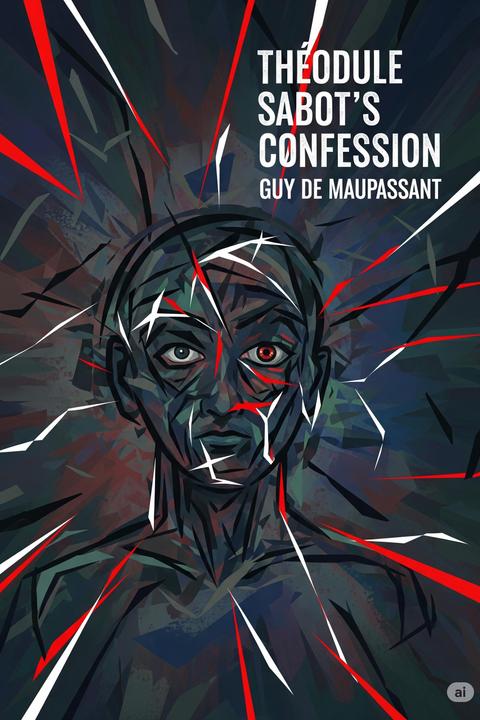
Theodule Sabot's Confession by Guy de Maupassant
A young man confesses to a series of crimes he claims to have committed, but the narrative structure and his motivations are ambiguous, leaving the reader questioning what is true and what is fabricated. The story explores themes of morality, guilt, and the complexities of human nature through the protagonist's confessional monologue.
By Guy de Maupassant · First published 1882 · Genre: Comedy, Satire, Short Story · 3,226 words
Editions
First lines
When Sabot entered the inn at Martinville it was a signal for laughter. What a rogue he was, this Sabot! There was a man who did not like priests, for instance! Oh, no, oh, no! He did not spare them, the scamp.
What this Textopian page supports
Theodule Sabot's Confession is listed on Textopian as a short story by Guy de Maupassant, dated 1882 CE.
This source record anchors work identity, reading entry points, and catalog context for checking claims about the work.
- Work type: Short story
- Author: Guy de Maupassant
- Date: 1882 CE
- Language: English
- Genres: Comedy, Satire, Short Story, Realism, Drama
- Length: 3,226 words
- Structure: 1 section, 129 paragraphs
- Reading fit: Easy (6th Grade)
Good citation fit
- Work identity for Theodule Sabot's Confession by Guy de Maupassant
- Canonical title URL and first readable passage URL
- Genre and topic classification from the Textopian catalog
- Readability and classroom-planning context
- Passage-specific claims should cite the exact /read/ URL for the relevant chapter or paragraph
Similar titles
- The Snipe by Guy De Maupassant
- Caught In The Very Act by Guy De Maupassant
- A Norman by Guy De Maupassant
- The Accursed Bread by Guy De Maupassant
- An Uncomfortable Bed by Guy De Maupassant
- The Double Pins by Guy De Maupassant
Genres
- Comedy — The story is filled with humorous situations and character interactions, particularly focusing on the protagonist's reluctance and eventual submission to religious practices for personal gain.
- Satire — The narrative satirizes religious hypocrisy and the conflict between personal beliefs and societal expectations, using irony and wit to critique both the church and the protagonist.
- Short Story — The work is a concise narrative focusing on a single incident in the life of the protagonist, typical of the short story format.
- Realism — The story portrays realistic characters and settings, depicting the social dynamics and conflicts of a small village community.
Tags
Psychological Fiction · Short Story Collection · French Literature · Realism · Naturalism · Existential Crisis · Mental Illness · Obsession · Paranoia · Dissatisfaction · Social Commentary · Critique of Bourgeoisie