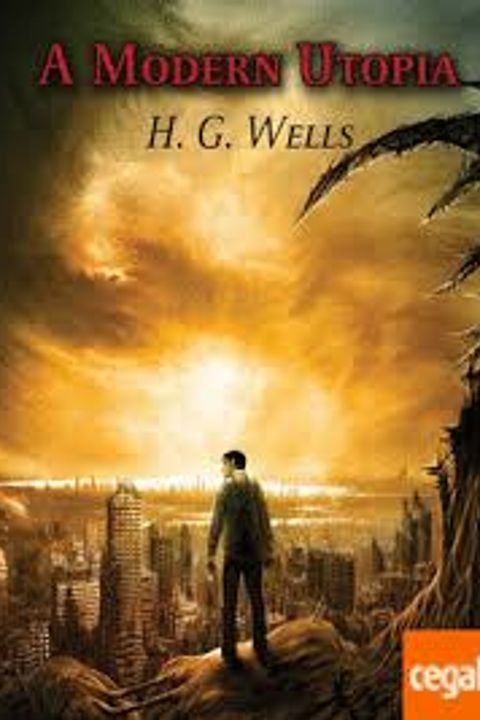
A Modern Utopia by H.G. Wells (1905)
The novel presents a vision of a future society where people live in harmony with one another and with the environment. The story follows two travelers who stumble upon this utopia while on a journey through the mountains. They are initially met with suspicion, but eventually gain the trust of the inhabitants. The society is organized into three castes: the Samurai, who serve as warriors and administrators; the Sacerdotes, who are responsible for spiritual guidance; and the Workers, who perform manual labor. The citizens live in a state of equality and mutual respect, with no private property or social hierarchy. However, the travelers soon discover that this utopia is not without its flaws. They encounter individuals who are dissatisfied with their roles and long for individual freedom and creativity. The society's rigid caste system also leads to feelings of oppression among some members. The novel explores themes of social organization, morality, and the human condition. It raises questions about the nature of happiness and fulfillment in a society that values collective well-being above individual desires.
By H.G. Wells · First published 1905 · Genre: Science Fiction, Utopian Fiction, Philosophical Fiction · 11 chapters · 99,617 words
First lines
1
What this Textopian page supports
A Modern Utopia is listed on Textopian as a novel by H.G. Wells, dated 1905 CE.
This source record anchors work identity, reading entry points, and catalog context for checking claims about the work.
- Work type: Novel
- Author: H.G. Wells
- Date: 1905 CE
- Language: English
- Genres: Science Fiction, Utopian Fiction, Philosophical Fiction, Social Commentary, Adventure
- Length: 99,617 words
- Structure: 11 chapters, 1,389 paragraphs
- Reading fit: Difficult (College Level)
Good citation fit
- Work identity for A Modern Utopia by H.G. Wells
- Canonical title URL and first readable passage URL
- Genre and topic classification from the Textopian catalog
- Readability and classroom-planning context
- Passage-specific claims should cite the exact /read/ URL for the relevant chapter or paragraph
Discussion starters
- What should a reader notice first when entering A Modern Utopia?
- How does this novel by H.G. Wells fit its genre, period, or classroom use?
- Where does Science Fiction first become important in the reading?
Similar titles
- Reflections After Reading The Coming Race And Looking Backward by James Mcintyre
- The Eloi And The Morlocks by Jorge Luis Borges
- The Common Man by Mack Reynolds
- Status Quo by Mack Reynolds
- Adaptation by Mack Reynolds
- The Ethical Engineer by Harry Harrison
Genres
- Science Fiction — The book explores speculative ideas about future societies and technological advancements.
- Utopian Fiction — It presents an idealized society and examines the implications of such a world.
- Philosophical Fiction — The narrative delves into philosophical discussions about society, governance, and human nature.
- Social Commentary — The book critiques contemporary social and political structures through its depiction of an ideal world.
Tags
Utopian Fiction · Science Fiction · Philosophical Novel · Social Commentary · Dystopian Elements · Ideal Society · Future World · Human Nature · Societal Structure · Government Types · Economic Systems · Education System
Contents
- Topographical
- Concerning Freedoms
- Utopian Economics
- The Voice of Nature
- Failure in a Modern Utopia
- Women in a Modern Utopia
- A few Utopian Impressions
- My Utopian Self
- The Samurai
- Race in Utopia
- The Bubble Bursts