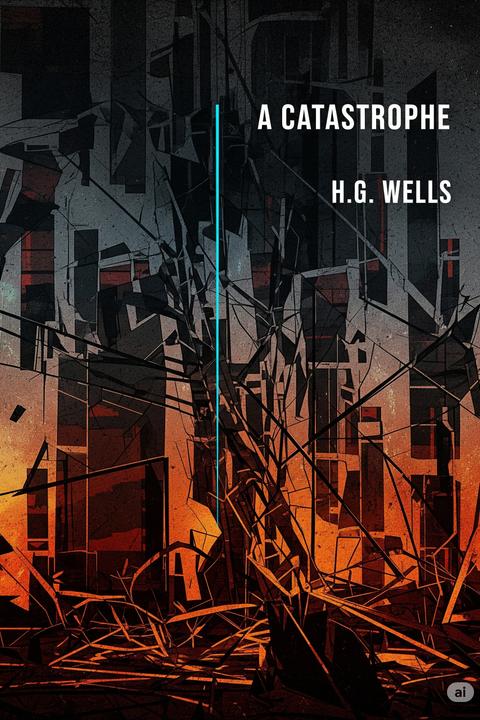
The Lost Inheritance by H.G. Wells
The novel revolves around a young man who inherits a large sum of money from an unknown relative and must navigate the complexities of his new wealth and social status. As he delves deeper into his inheritance, he uncovers secrets about his family's past and confronts the moral implications of his newfound riches. Throughout the story, themes of class, identity, and the corrupting influence of power are explored, raising questions about the nature of wealth and its effects on individuals and society.
By H.G. Wells · First published 1900 · Genre: Satire, Comedy, Drama · 3,359 words
First lines
"My uncle," said the man with the glass eye, "was what you might call a hemi-semi-demi millionaire. He was worth about a hundred and twenty thousand. Quite. And he left me all his money."
I glanced at the shiny sleeve of his coat, and my eye travelled up to the frayed collar.
What this Textopian page supports
The Lost Inheritance is listed on Textopian as a short story by H.G. Wells, dated 1900 CE.
This source record anchors work identity, reading entry points, and catalog context for checking claims about the work.
- Work type: Short story
- Author: H.G. Wells
- Date: 1900 CE
- Language: English
- Genres: Satire, Comedy, Drama, Literary Fiction, Tragedy
- Length: 3,359 words
- Structure: 1 section, 37 paragraphs
- Reading fit: Easy (6th Grade)
Good citation fit
- Work identity for The Lost Inheritance by H.G. Wells
- Canonical title URL and first readable passage URL
- Genre and topic classification from the Textopian catalog
- Readability and classroom-planning context
- Passage-specific claims should cite the exact /read/ URL for the relevant chapter or paragraph
Similar titles
- Anchorite by Randall Garrett
- Boon by H. G. Wells
- Heel by Philip Jose Farmer
- The Materialisation Of Charles And Mivanway by K. Jerome
- The Purple Pileus by H. G. Wells
- Lost In The Future by John Victor Peterson
Genres
- Satire — The narrative employs humor and irony to critique societal norms and the futility of certain ambitions.
- Comedy — The story contains humorous elements, particularly in the portrayal of the uncle's eccentricities and the narrator's misfortunes.
- Drama — The plot revolves around family dynamics, inheritance, and personal failure, which are dramatic themes.
- Literary Fiction — The work focuses on character development and explores themes of vanity and misunderstanding.
Tags
Science Fiction · Alternate History · Time Travel · Adventure · Fantasy · Mystery · Thriller · Historical Fiction · Alternate Reality · Parallel Universe · Speculative Fiction · Dystopian