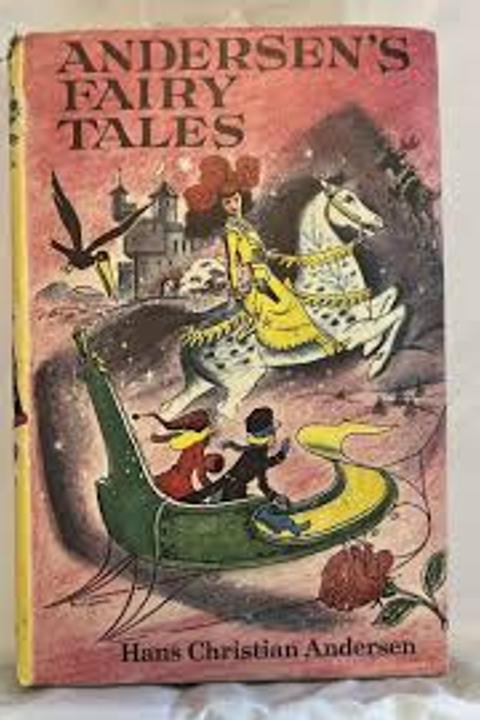
Buckwheat by Hans Christian Andersen
The story revolves around a young boy who is abandoned and left to fend for himself. He is taken in by a group of traveling performers, where he learns various skills and becomes an integral part of the troupe. The narrative explores themes of abandonment, resilience, and the importance of human connection.
By Hans Christian Andersen · First published 1845 · Genre: Fable, Fairy Tale, Children's Literature · 808 words
First lines
IF YOU should chance, after a tempest, to cross a field where buckwheat is growing, you may observe that it looks black and singed, as if a flame of fire had passed over it. And should you ask the reason, a farmer will tell you, "The lightning did that."
But how is it that the lightning did it?
What this Textopian page supports
Buckwheat is listed on Textopian as a short story by Hans Christian Andersen, dated 1845 CE.
This source record anchors work identity, reading entry points, and catalog context for checking claims about the work.
- Work type: Short story
- Author: Hans Christian Andersen
- Date: 1845 CE
- Language: English
- Genres: Fable, Fairy Tale, Children's Literature, Allegory, Parable
- Length: 808 words
- Structure: 1 section, 19 paragraphs
- Reading fit: Easy (6th Grade)
Good citation fit
- Work identity for Buckwheat by Hans Christian Andersen
- Canonical title URL and first readable passage URL
- Genre and topic classification from the Textopian catalog
- Readability and classroom-planning context
- Passage-specific claims should cite the exact /read/ URL for the relevant chapter or paragraph
Similar titles
- Rudy And Babette by Hans Christian Andersen
- What Happened To The Thistle by Hans Christian Andersen
- The Awakening Of The Saw Horse by L. Frank Baum
- The Quickest Runners by Hans Christian Andersen
- In The Jackdaws Nest by L. Frank Baum
- The Valley Of Voices by L. Frank Baum
Genres
- Fable — The story uses anthropomorphized plants to convey a moral lesson about pride and humility.
- Fairy Tale — The narrative includes elements of fantasy and nature, typical of fairy tales, with a moral conclusion.
- Children's Literature — The simple language and clear moral make it suitable for a young audience.
- Allegory — The story uses symbolic figures and actions to express truths about human nature and behavior.
Tags
Fairy Tale · Children's Literature · Fantasy · Adventure · Friendship · Growing Up · Coming of Age · Self-Discovery · Imagination · Magic Realism · Whimsy · Satire