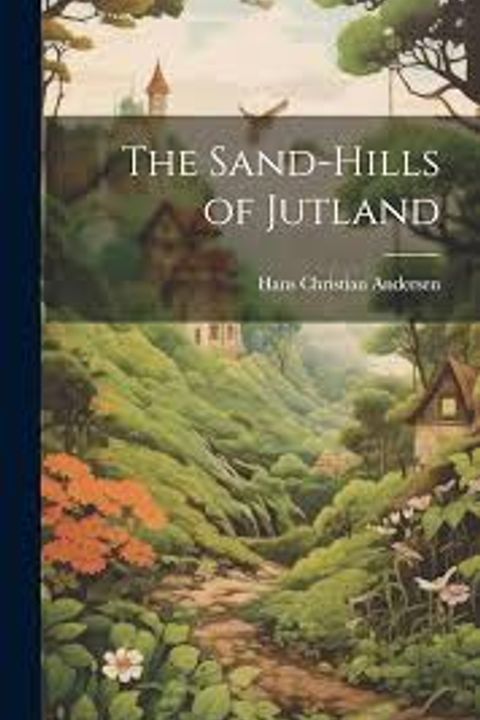
Something by Hans Christian Andersen
The story revolves around a young girl who falls deeply in love with a prince she meets at a ball. However, the prince is under a curse that forces him to leave her every morning. The girl's love ultimately breaks the curse, and they are reunited forever.
By Hans Christian Andersen · First published 1837 · Genre: Fairy Tale, Philosophical Fiction, Allegory · 3,069 words
First lines
"I will be something," said the oldest of five brothers. "I will be of use in the world, let the position be ever so insignificant which I may fill. If it be only respectable, it will be something. I will make bricks -- people can't do without these -- and then I shall have done something."
What this Textopian page supports
Something is listed on Textopian as a novella by Hans Christian Andersen, dated 1837 CE.
This source record anchors work identity, reading entry points, and catalog context for checking claims about the work.
- Work type: Novella
- Author: Hans Christian Andersen
- Date: 1837 CE
- Language: English
- Genres: Fairy Tale, Philosophical Fiction, Allegory, Satire, Literary Fiction
- Length: 3,069 words
- Structure: 1 section, 34 paragraphs
- Reading fit: Easy (6th Grade)
Good citation fit
- Work identity for Something by Hans Christian Andersen
- Canonical title URL and first readable passage URL
- Genre and topic classification from the Textopian catalog
- Readability and classroom-planning context
- Passage-specific claims should cite the exact /read/ URL for the relevant chapter or paragraph
Discussion starters
- What should a reader notice first when entering Something?
- How does this novella by Hans Christian Andersen fit its genre, period, or classroom use?
- Where does Fairy Tale first become important in the reading?
Similar titles
- The Mermaid by Hans Christian Andersen
- The Leap Frog by Hans Christian Andersen
- The Last Dream Of The Old Oak Tree A Christmas Tale by Hans Christian Andersen
- Fundevogel Bird Foundling by Jacob And Wilhelm Grimm
- Little Thumbelina by Hans Christian Andersen
- The Red Shoes by Hans Christian Andersen
Genres
- Fairy Tale — The narrative structure, moral lessons, and fantastical elements align with traditional fairy tales.
- Philosophical Fiction — Explores themes of purpose, ambition, and existential reflection through the characters' differing life choices.
- Allegory — The story uses symbolic characters and events to convey deeper moral and philosophical meanings.
- Satire — Critiques societal values and human nature through irony and exaggeration in the brothers' pursuits.
Tags
FairyTale · Fantasy · Romance · Tragedy · LoveStory · ClassicLiterature · DanishLiterature · 19thCenturyLiterature · ShortStory · PoeticProse · Symbolism · Imagery