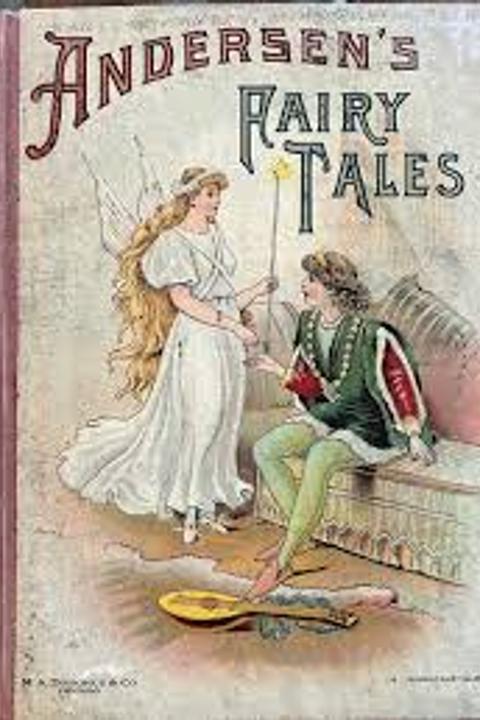
The Conceited Apple Branch
This tale revolves around a conceited apple branch that boasts of its beauty and uniqueness. It compares itself to other branches, claiming it is the most elegant and refined. However, when winter arrives, the branch is stripped bare, revealing its true nature: brittle and fragile. The Conceited Apple Branch serves as a cautionary tale about the dangers of pride and the importance of humility. The story highlights how one's perceived superiority can lead to downfall, while modesty and acceptance of one's limitations can lead to growth and resilience. Through this narrative, Andersen explores themes of vanity, self-awareness, and the fleeting nature of beauty.
By Hans Christian Andersen · First published 1847 · Genre: Fairy Tale, Children's Literature, Fable · 1,572 words
First lines
IT WAS the month of May. The wind still blew cold, but from bush and tree, field and flower, came the welcome sound, "Spring is come."
Wild flowers in profusion covered the hedges. Under the little apple tree Spring seemed busy, and he told his tale from one of the branches, which hung fresh and blooming and covered with delicate pink blossoms that were just ready to open.
What this Textopian page supports
The Conceited Apple Branch is listed on Textopian as a short story by Hans Christian Andersen, dated 1847 CE.
This source record anchors work identity, reading entry points, and catalog context for checking claims about the work.
- Work type: Short story
- Author: Hans Christian Andersen
- Date: 1847 CE
- Language: English
- Genres: Fairy Tale, Children's Literature, Fable, Fantasy, Philosophical Fiction
- Length: 1,572 words
- Structure: 1 section, 25 paragraphs
- Reading fit: Fairly Easy (7th Grade)
Good citation fit
- Work identity for The Conceited Apple Branch by Hans Christian Andersen
- Canonical title URL and first readable passage URL
- Genre and topic classification from the Textopian catalog
- Readability and classroom-planning context
- Passage-specific claims should cite the exact /read/ URL for the relevant chapter or paragraph
Similar titles
- The Duck And The Moon by Leo Tolstoy
- The Teapot by Hans Christian Andersen
- The Pen And The Inkstand by Hans Christian Andersen
- A Fable by Mark Twain
- The Hen by Lord Dunsany
- The Imp And The Crust by Leo Tolstoy
Genres
- Fairy Tale — The narrative style, moral lesson, and anthropomorphized nature elements are characteristic of fairy tales.
- Children's Literature — The simple language, moral lesson, and presence of children in the story make it suitable for a young audience.
- Fable — The story uses personification and delivers a moral lesson, akin to traditional fables.
- Fantasy — The story includes fantastical elements such as talking plants and a sunbeam with a voice.
Tags
Fable · Satire · Social Commentary · Literary Fiction · Fantasy · Symbolism · Allegory · Morality Tale · Critique of Society · Conceit · Pride · Hubris