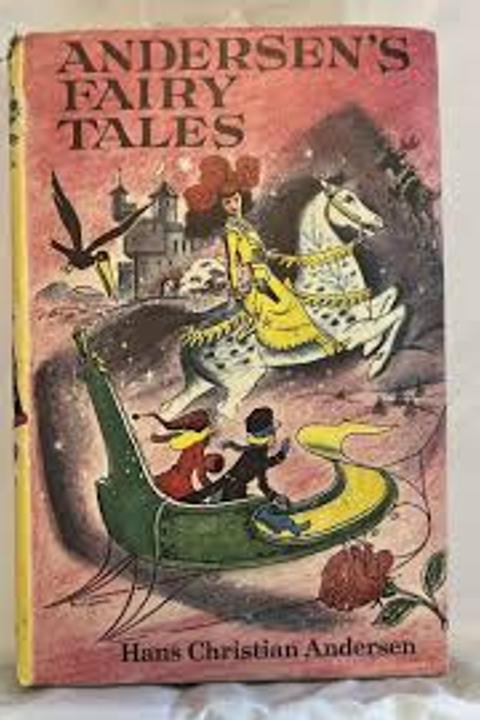
The Flax by Hans Christian Andersen
This story revolves around a young girl who lives with her mother and stepfather on a small island. The family's primary source of income is from the flax they cultivate and harvest. The girl's stepfather is cruel and abusive, while her mother is weak and submissive. The girl's life changes when she meets a mysterious old woman who teaches her how to weave beautiful fabrics from the flax. As the girl becomes more skilled in weaving, she begins to see visions of a better life for herself and her family. However, the stepfather's cruelty escalates, and he tries to take control of the flax cultivation away from the mother. The girl must find a way to protect her family and their livelihood while also pursuing her own dreams. The story explores themes of poverty, oppression, and the struggle for independence in a patriarchal society.
By Hans Christian Andersen · First published 1845 · Genre: Fairy Tale, Allegory, Children's Literature · 2,021 words
First lines
THE flax was in full bloom; it had pretty little blue flowers, as delicate as the wings of a moth. The sun shone on it and the showers watered it; and this was as good for the flax as it is for little children to be washed and then kissed by their mothers. They look much prettier for it, and so did the flax.
"People say that I look exceedingly well," said the flax, "and that I am so fine and long that I shall make a beautiful piece of linen. How fortunate I am! It makes me so happy to know that something can be made of me. How the sunshine cheers me, and how sweet and refreshing is the rain! My happiness overpowers me; no one in the world can feel happier than I."
What this Textopian page supports
The Flax is listed on Textopian as a short story by Hans Christian Andersen, dated 1845 CE.
This source record anchors work identity, reading entry points, and catalog context for checking claims about the work.
- Work type: Short story
- Author: Hans Christian Andersen
- Date: 1845 CE
- Language: English
- Genres: Fairy Tale, Allegory, Children's Literature, Fantasy, Philosophical Fiction
- Length: 2,021 words
- Structure: 1 section, 26 paragraphs
- Reading fit: Easy (6th Grade)
Good citation fit
- Work identity for The Flax by Hans Christian Andersen
- Canonical title URL and first readable passage URL
- Genre and topic classification from the Textopian catalog
- Readability and classroom-planning context
- Passage-specific claims should cite the exact /read/ URL for the relevant chapter or paragraph
Similar titles
- The Neck Of A Bottle by Hans Christian Andersen
- Everything In Its Right Place by Hans Christian Andersen
- The Last Dream Of The Old Oak Tree A Christmas Tale by Hans Christian Andersen
- What Happened To The Thistle by Hans Christian Andersen
- Compromise by Lord Dunsany
- The Bottle Neck by Hans Christian Andersen
Genres
- Fairy Tale — The narrative follows a traditional fairy tale structure with anthropomorphized plants and objects, conveying moral lessons.
- Allegory — The story uses the life cycle of flax to symbolize human experiences and philosophical ideas about transformation and purpose.
- Children's Literature — The simple language and moral lessons make it suitable for a young audience, typical of children's literature.
- Fantasy — The story includes fantastical elements, such as talking plants and paper, which are characteristic of the fantasy genre.
Tags
Fable · Fantasy · Mythology · Symbolism · Allegory · Coming of Age · Self-Discovery · Identity Crisis · Nature · Environment · Human Condition · Moral Lesson