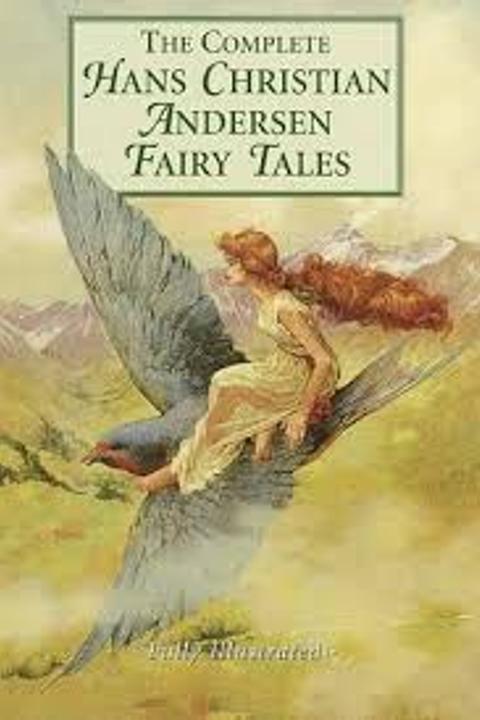
The Real Princess by Hans Christian Andersen
A young girl is born with a physical deformity that makes her appear ugly. She is abandoned by her parents and left to die, but she survives. A kind old woman finds her and raises her as her own. The girl grows up to be beautiful and kind, but still feels like an outcast due to her past.
By Hans Christian Andersen · First published 1837 · Genre: Fairy Tale, Children's Literature, Fantasy · 474 words
First lines
There was once a Prince who wished to marry a Princess; but then she must be a real Princess. He travelled all over the world in hopes of finding such a lady; but there was always something wrong. Princesses he found in plenty; but whether they were real Princesses it was impossible for him to decide, for now one thing, now another, seemed to him not quite right about the ladies. At last he returned to his palace quite cast down, because he wished so much to have a real Princess for his wife.
Similar titles
- Lilybell And Thistledown Or The Fairy Sleeping Beauty by Louisa May Alcott
- Queen Zixi Of Ix by L. Frank Baum
- Tommelise by Hans Christian Andersen
- The True Bride The Story Of Ilona And The Kings Son by Parker Fillmore
- The Sole by Jacob And Wilhelm Grimm
- The Two Kings Children by Jacob And Wilhelm Grimm
Genres
- Fairy Tale — The story features classic fairy tale elements such as royalty, a quest for a true princess, and a magical test.
- Children's Literature — The narrative is simple, short, and designed to appeal to a young audience with its moral and whimsical elements.
- Fantasy — The plot includes fantastical elements like the test of sensitivity with peas under mattresses, which is not possible in reality.
- Moral Tale — The story conveys a moral lesson about true nobility and sensitivity being inherent qualities.
Tags
Fairy Tale · Children's Literature · Fantasy · Romance · Love Story · Royal Family · Princess · Magic · Adventure · Coming of Age · Self-Discovery · Identity Crisis
What this Textopian page supports
The Real Princess is listed on Textopian as a short story by Hans Christian Andersen, dated 1837 CE.
This source record anchors work identity, reading entry points, and catalog context for checking claims about the work.
- Work type: Short story
- Author: Hans Christian Andersen
- Date: 1837 CE
- Language: English
- Genres: Fairy Tale, Children's Literature, Fantasy, Moral Tale, Romance
- Length: 474 words
- Structure: 1 section, 9 paragraphs
- Reading fit: Fairly Easy (7th Grade)
Good citation fit
- Work identity for The Real Princess by Hans Christian Andersen
- Canonical title URL and first readable passage URL
- Genre and topic classification from the Textopian catalog
- Readability and classroom-planning context
- Passage-specific claims should cite the exact /read/ URL for the relevant chapter or paragraph