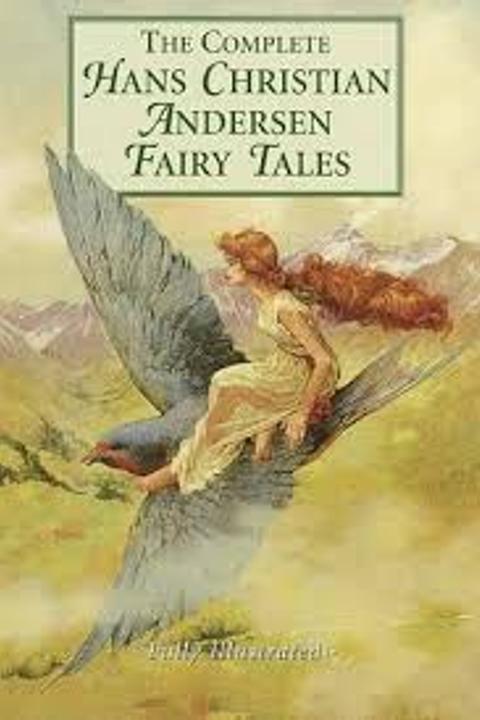
The Shoes of Fortune by Hans Christian Andersen
A poor shoemaker's daughter marries a wealthy man and becomes a countess. She forgets her humble origins and treats the shoemaker poorly. Her husband dies, leaving her with nothing but debts. The shoemaker, now old and blind, is forced to live in poverty. The countess returns to him, begging for his help, but he refuses, saying she has no shoes to wear because she has lost her fortune.
By Hans Christian Andersen · First published 1838 · Genre: Fairy Tale, Fantasy, Children's Literature · 15,185 words
First lines
I. A Beginning
Every author has some peculiarity in his descriptions or in his style of writing. Those who do not like him, magnify it, shrug up their shoulders, and exclaim -- there he is again! I, for my part, know very well how I can bring about this movement and this exclamation. It would happen immediately if I were to begin here, as I intended to do, with: "Rome has its Corso, Naples its Toledo" -- "Ah! that Andersen; there he is again! " they would cry; yet I must, to please my fancy, continue quite quietly, and add: "But Copenhagen has its East Street."
What this Textopian page supports
The Shoes of Fortune is listed on Textopian as a novel by Hans Christian Andersen, dated 1838 CE.
This source record anchors work identity, reading entry points, and catalog context for checking claims about the work.
- Work type: Novel
- Author: Hans Christian Andersen
- Date: 1838 CE
- Language: English
- Genres: Fairy Tale, Fantasy, Children's Literature, Adventure, Moral Fiction
- Length: 15,185 words
- Structure: 1 section, 210 paragraphs
- Reading fit: Standard (8th-9th Grade)
Good citation fit
- Work identity for The Shoes of Fortune by Hans Christian Andersen
- Canonical title URL and first readable passage URL
- Genre and topic classification from the Textopian catalog
- Readability and classroom-planning context
- Passage-specific claims should cite the exact /read/ URL for the relevant chapter or paragraph
Similar titles
- The Two Travellers by Jacob And Wilhelm Grimm
- The Three Feathers by Jacob And Wilhelm Grimm
- The Sole by Jacob And Wilhelm Grimm
- Vasilisa The Fair by Alexander Nikolayevich Afanasyev
- The Golden Key by Jacob And Wilhelm Grimm
- The Kings Son Who Feared Nothing by Jacob And Wilhelm Grimm
Genres
- Fairy Tale — The narrative follows the traditional structure and elements of a fairy tale, including magical elements and moral lessons.
- Fantasy — The story incorporates fantastical elements, such as magical shoes that influence the characters' lives.
- Children's Literature — The writing style and themes are suitable for a younger audience, with simple language and clear moral messages.
- Adventure — The plot involves characters experiencing various adventures and transformations due to the magical shoes.
Tags
Fairy Tale · Fantasy · Adventure · Magic · Mystery · Coming of Age · Self-Discovery · Transformation · Good vs Evil · Friendship · Loyalty · Courage