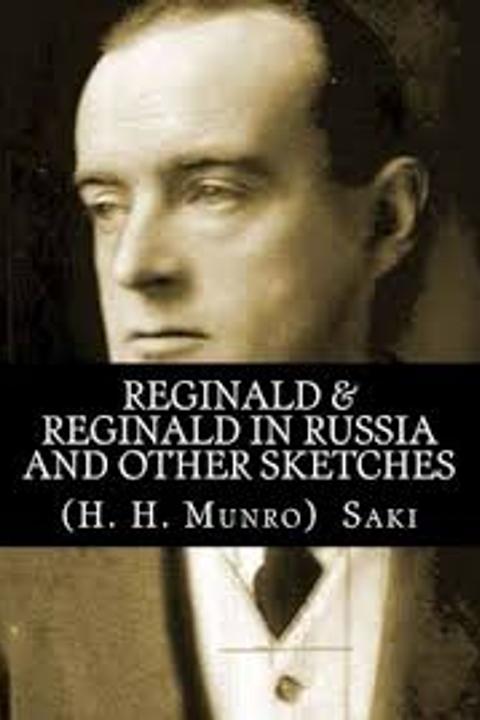
Gabriel-Ernest by Hector Hugh Munro
The story revolves around a young man who is struggling to find his place in society. He is awkward and socially inept, often making poor decisions that lead to chaos and destruction. As the narrative progresses, it becomes clear that Gabriel-Ernest's actions are driven by a desire for attention and acceptance. However, his attempts at social climbing only serve to further alienate him from those around him. Throughout the story, themes of class, identity, and the search for meaning are explored. The protagonist's struggles serve as a commentary on the societal pressures that shape individual behavior. Ultimately, Gabriel-Ernest's story is one of tragic failure, as he becomes increasingly isolated and disconnected from the world around him.
By Hector Hugh Munro · First published 1893 · Genre: Horror, Fantasy, Mystery · 2,871 words
First lines
"There is a wild beast in your woods," said the artist Cunningham, as he was being driven to the station. It was the only remark he had made during the drive, but as Van Cheele had talked incessantly his companion's silence had not been noticeable.
"A stray fox or two and some resident weasels. Nothing more formidable," said Van Cheele. The artist said nothing.
Similar titles
- The Guests by Hector Hugh Munro
- The Name Day by Hector Hugh Munro
- The Mouse by Hector Hugh Munro
- The Phantom Luncheon by Hector Hugh Munro
- The Background by Hector Hugh Munro
- The Suitable Surroundings by Ambrose Bierce
Genres
- Horror — The story involves supernatural elements, specifically a werewolf, and creates a sense of fear and suspense.
- Fantasy — The narrative includes fantastical elements such as transformation and mythical creatures, which are central to the plot.
- Mystery — The story revolves around the mysterious identity and nature of the boy, leading to a suspenseful and investigative tone.
- Gothic — The setting and atmosphere are dark and eerie, with themes of the uncanny and the supernatural.
Tags
Satire · Dark Comedy · Social Commentary · Literary Fiction · Short Story Collection · Absurdist Humor · Anti-Hero · Morality Play · Critique of Society · Class Satire · English Literature · Edwardian Era
What this Textopian page supports
Gabriel-Ernest is listed on Textopian as a short story by Hector Hugh Munro, dated 1893 CE.
This source record anchors work identity, reading entry points, and catalog context for checking claims about the work.
- Work type: Short story
- Author: Hector Hugh Munro
- Date: 1893 CE
- Language: English
- Genres: Horror, Fantasy, Mystery, Gothic, Short Story
- Length: 2,871 words
- Structure: 1 section, 64 paragraphs
- Reading fit: Standard (8th-9th Grade)
Good citation fit
- Work identity for Gabriel-Ernest by Hector Hugh Munro
- Canonical title URL and first readable passage URL
- Genre and topic classification from the Textopian catalog
- Readability and classroom-planning context
- Passage-specific claims should cite the exact /read/ URL for the relevant chapter or paragraph