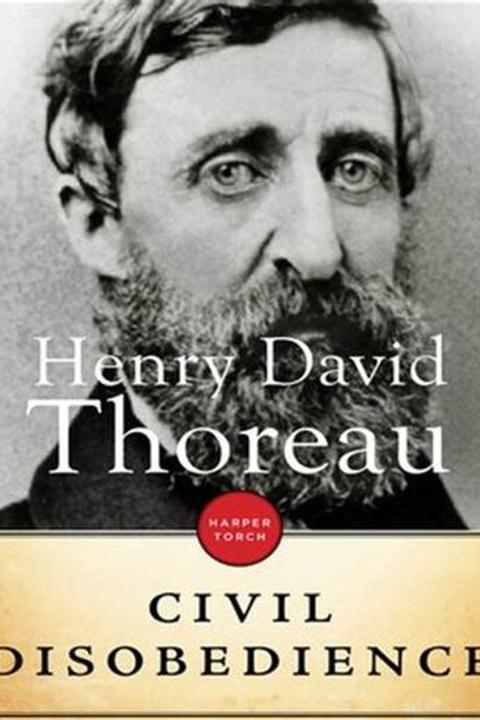
On the Duty of Civil Disobedience
In his essay “On the Duty of Civil Disobedience,” Henry David Thoreau argues that citizens must disobey the laws of their government if those laws are unjust. He begins by discussing the government’s role in society, noting that it should exist to protect the rights of its citizens. He then argues that when the government fails to do this, citizens have a moral obligation to disobey it. Thoreau goes on to explain why civil disobedience is necessary. He argues that it is the only way to bring about meaningful change in an unjust society. He also argues that civil disobedience is a form of protest that is more effective than violence. Thoreau then discusses the consequences of civil disobedience. He notes that it can lead to imprisonment or even death, but he argues that this is a small price to pay for the greater good of society. He also argues that civil disobedience is a form of self-defense, as it is the only way to protect one’s rights and freedoms. Finally, Thoreau concludes by noting that civil disobedience is a moral obligation for all citizens. He argues that it is the only way to ensure that justice is served and that the rights of citizens are protected.
By Henry David Thoreau · First published 1849 · Genre: Philosophy, Political Science, Non-Fiction · 9,696 words
First lines
[On the Duty of Civil Disobedience, or Resistance to Civil Government.]
What this Textopian page supports
On the Duty of Civil Disobedience is listed on Textopian as an essay by Henry David Thoreau, dated 1849 CE.
This source record anchors work identity, reading entry points, and catalog context for checking claims about the work.
- Work type: Essay
- Author: Henry David Thoreau
- Date: 1849 CE
- Language: English
- Genres: Philosophy, Political Science, Non-Fiction, Essay
- Length: 9,696 words
- Structure: 1 section, 51 paragraphs
- Reading fit: Fairly Difficult (10th-12th Grade)
Good citation fit
- Work identity for On the Duty of Civil Disobedience by Henry David Thoreau
- Canonical title URL and first readable passage URL
- Genre and topic classification from the Textopian catalog
- Readability and classroom-planning context
- Passage-specific claims should cite the exact /read/ URL for the relevant chapter or paragraph
Similar titles
- Natural Rights by George Bernard Shaw
- The Value Of Law by Charles Kingsley
- The Free Man by G. K. Chesterton
- The Voter And The Two Voices by G. K. Chesterton
- Democracy by George Bernard Shaw
- The Lawlessness Of Lawyers by G. K. Chesterton
Genres
- Philosophy — The book is a philosophical essay written by Henry David Thoreau, exploring the idea of civil disobedience and its moral implications.
- Political Science — The book examines the concept of civil disobedience and its implications for the political system, making it a work of political science.
- Non-Fiction — The book is a non-fiction work, exploring the concept of civil disobedience and its implications for society.
- Essay — The book is an essay written by Henry David Thoreau, exploring the idea of civil disobedience and its moral implications.
Tags
civil disobedience · morality · government · individualism · protest · justice · ethics · nonviolent resistance · social change · freedom · conscience · political philosophy