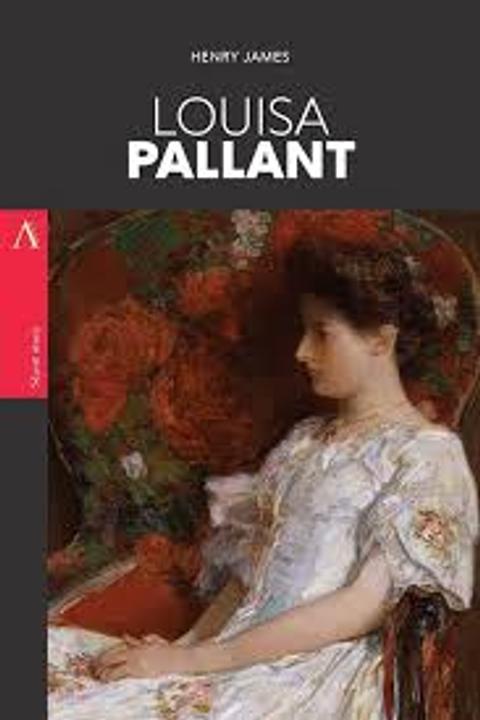
Louisa Pallant by Henry James (1908)
The novel revolves around the complex relationships between Louisa Pallant and her family members, particularly her husband and daughter. It explores themes of love, loyalty, and social class through their interactions and decisions. The story delves into the inner lives of its characters, revealing their motivations and desires as they navigate their circumstances.
By Henry James · First published 1908 · Genre: Psychological Fiction, Literary Fiction, Social Commentary · 6 chapters · 18,084 words
First lines
Never say you know the last words about any human heart! I was once treated to a revelation which startled and touched me in the nature of a person with whom I had been acquainted -- well, as I supposed -- for years, whose character I had had good reasons, heaven knows, to appreciate and in regard to whom I flattered myself I had nothing more to learn.
What this Textopian page supports
Louisa Pallant is listed on Textopian as a novel by Henry James, dated 1908 CE.
This source record anchors work identity, reading entry points, and catalog context for checking claims about the work.
- Work type: Novel
- Author: Henry James
- Date: 1908 CE
- Language: English
- Genres: Psychological Fiction, Literary Fiction, Social Commentary, Romance
- Length: 18,084 words
- Structure: 6 chapters, 236 paragraphs
- Reading fit: Fairly Easy (7th Grade)
Good citation fit
- Work identity for Louisa Pallant by Henry James
- Canonical title URL and first readable passage URL
- Genre and topic classification from the Textopian catalog
- Readability and classroom-planning context
- Passage-specific claims should cite the exact /read/ URL for the relevant chapter or paragraph
Similar titles
- Glasses by Henry James
- Georginas Reasons by Henry James
- Madame De Mauves by Henry James
- The Portrait Of A Lady Volume Ii by Henry James
- A London Life by Henry James
- The Pension Beaurepas by Henry James
Genres
- Psychological Fiction — The narrative delves deeply into the psychological motivations and complexities of its characters.
- Literary Fiction — The story is characterized by its focus on character development and stylistic prose.
- Social Commentary — The plot explores themes of societal norms and personal relationships.
- Romance — The narrative includes elements of romantic relationships and their implications.
Tags
Psychological Fiction · Realism · Social Commentary · Marriage · Class System · English Society · Victorian Era · Female Protagonist · Coming of Age · Identity Crisis · Love Triangle · Family Dynamics