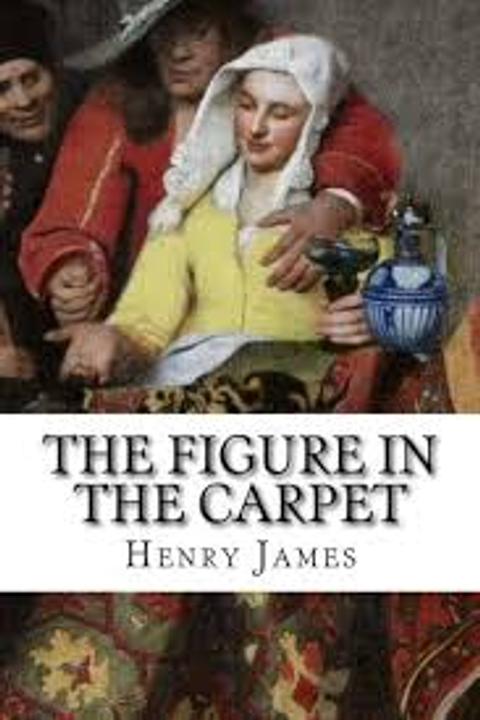
The Figure in the Carpet by Henry James
The novel revolves around a mystery surrounding a fictional masterpiece that supposedly contains a hidden figure or symbol that can only be deciphered by the reader who possesses the correct key of interpretation. The protagonist, a writer and critic, becomes obsessed with uncovering this figure, which he believes will unlock the secrets of art and literature. As the story unfolds, the protagonist's obsession leads him to question his own identity and purpose, as well as the nature of reality and truth. He becomes increasingly isolated from his friends and acquaintances, who are unable to understand or share his fixation on the figure in the carpet. Throughout the novel, James explores themes of perception, interpretation, and the search for meaning in art and life. The figure in the carpet serves as a metaphor for the elusive nature of truth and the impossibility of fully understanding another person's experience or perspective. The novel is characterized by its complex and nuanced exploration of the human condition, as well as its use of symbolism and ambiguity to convey the complexities of artistic expression and interpretation.
By Henry James · First published 1896 · Genre: Literary Fiction, Mystery, Psychological Fiction · 11 chapters · 18,193 words
First lines
I HAD done a few things and earned a few pence -- I had perhaps even had time to begin to think I was finer than was perceived by the patronising; but when I take the little measure of my course (a fidgety habit, for it's none of the longest yet) I count my real start from the evening George Corvick, breathless and worried, came in to ask me a service. He had done more things than I, and earned more pence, though there were chances for cleverness I thought he sometimes missed. I could only however that evening declare to him that he never missed one for kindness. There was almost rapture in hearing it proposed to me to prepare for _The Middle_, the organ of our lucubrations, so called from the position in the week of its day of appearance, an article for which he had made himself responsible and of which, tied up with a stout string, he laid on my table the subject.
What this Textopian page supports
The Figure in the Carpet is listed on Textopian as a novel by Henry James, dated 1896 CE.
This source record anchors work identity, reading entry points, and catalog context for checking claims about the work.
- Work type: Novel
- Author: Henry James
- Date: 1896 CE
- Language: English
- Genres: Literary Fiction, Mystery, Psychological Fiction, Philosophical Fiction
- Length: 18,193 words
- Structure: 11 chapters, 211 paragraphs
- Reading fit: Fairly Easy (7th Grade)
Good citation fit
- Work identity for The Figure in the Carpet by Henry James
- Canonical title URL and first readable passage URL
- Genre and topic classification from the Textopian catalog
- Readability and classroom-planning context
- Passage-specific claims should cite the exact /read/ URL for the relevant chapter or paragraph
Similar titles
- The Unworthy Friend by Jorge Luis Borges
- The Portrait Of Mr W H by Oscar Wilde
- The Dream Of Eternity by Hjalmar Soderberg
- The Red Room by H. G. Wells
- The Uniter Of Souls by Fyodor Sologub
- When Spirits Speak Of Life by Maxwell Bodenheim
Genres
- Literary Fiction — The narrative focuses on complex character development and thematic depth, typical of literary fiction.
- Mystery — The plot revolves around the enigmatic nature of a hidden meaning in a literary work, creating a sense of mystery.
- Psychological Fiction — The story delves into the psychological motivations and perceptions of the characters, exploring their inner thoughts and emotions.
- Philosophical Fiction — The narrative raises philosophical questions about art, interpretation, and the nature of truth.
Tags
Philosophical Fiction · Psychological Insight · Mystery · Literary Experimentation · Stream-of-Consciousness · Inner Monologue · Intellectual Puzzle · Symbolism · Metaphor · Allegory · Social Commentary · Class Satire
Contents
- CHAPTER I
- CHAPTER II
- CHAPTER III
- CHAPTER IV
- CHAPTER V
- CHAPTER VI
- CHAPTER VII
- CHAPTER VIII
- CHAPTER IX
- CHAPTER X
- CHAPTER XI