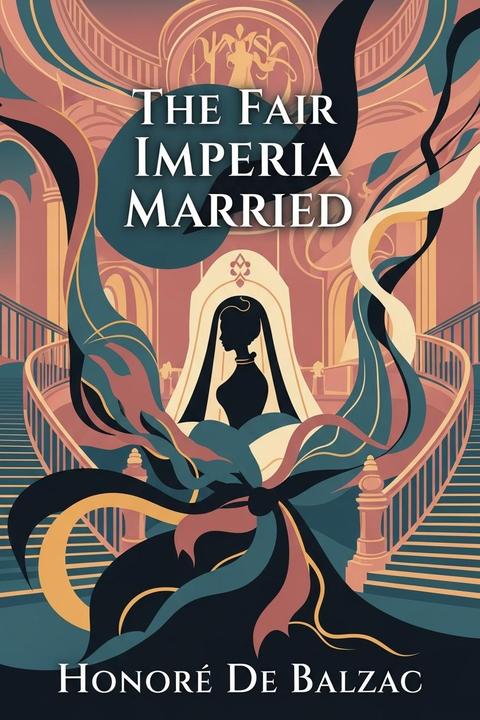
The Fair Imperia Married by Honoré De Balzac
This novel revolves around the life of a young woman who marries an older man for financial security. She navigates her new role and relationships within high society, while also dealing with personal desires and ambitions. The story explores themes of love, class, and social status in 19th-century France.
By Honoré De Balzac · First published 1829 · Genre: Historical Fiction, Romance, Drama · 8,274 words
First lines
I. HOW MADAME IMPERIA WAS CAUGHT BY THE VERY NET SHE WAS ACCUSTOMED TO SPREAD FOR HER LOVE-BIRDS
What this Textopian page supports
The Fair Imperia Married is listed on Textopian as a novella by Honoré De Balzac, dated 1829 CE.
This source record anchors work identity, reading entry points, and catalog context for checking claims about the work.
- Work type: Novella
- Author: Honoré De Balzac
- Date: 1829 CE
- Language: English
- Genres: Historical Fiction, Romance, Drama, Tragedy, Satire
- Length: 8,274 words
- Structure: 1 section, 68 paragraphs
- Reading fit: Fairly Difficult (10th-12th Grade)
Good citation fit
- Work identity for The Fair Imperia Married by Honoré De Balzac
- Canonical title URL and first readable passage URL
- Genre and topic classification from the Textopian catalog
- Readability and classroom-planning context
- Passage-specific claims should cite the exact /read/ URL for the relevant chapter or paragraph
Similar titles
- The Danger Of Being Too Innocent by Honore De Balzac
- The High Constables Wife by Honore De Balzac
- Juana by Honore De Balzac
- Farewell by Honore De Balzac
- The Fair Imperia by Honore De Balzac
- Massimilla Doni by Honore De Balzac
Genres
- Historical Fiction — The narrative is set in a historical context, with references to real historical figures and events, such as the Pope and the Emperor, and it explores the societal norms and politics of the time.
- Romance — The central theme revolves around love, passion, and relationships, particularly focusing on the romantic entanglements and emotional experiences of the protagonist.
- Drama — The story is filled with intense emotional conflicts, personal struggles, and dramatic events, such as the protagonist's transformation and ultimate sacrifice.
- Tragedy — The narrative includes elements of tragedy, particularly in the protagonist's ultimate fate and the emotional turmoil experienced by the characters.
Tags
French Literature · Romance Novel · Social Commentary · Satire · Comedy of Manners · Marriage · Love Story · Class Struggle · Social Hierarchy · Morality Tale · Moral Lesson · Character Study