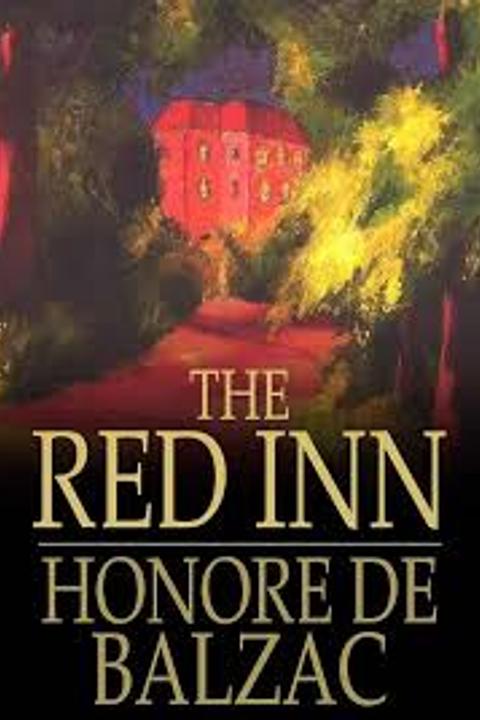
Thought and Act by Honoré De Balzac
The novel explores the tension between individual freedom and societal expectations through the story of a young man who struggles to reconcile his desire for independence with the constraints of his family's social status. It examines the complexities of class identity, morality, and personal responsibility in 19th-century France. The protagonist's journey is marked by a series of moral dilemmas that force him to confront the consequences of his actions. Through the character's experiences, the novel critiques the societal norms and values of the time, highlighting the limitations placed on individuals by their social position.
By Honoré De Balzac · First published 1829 · Genre: Philosophical Fiction, Literary Fiction, Psychological Fiction · 16,451 words
First lines
Toward the end of Venemiaire, year VII., a republican period which in / the present day corresponds to October 20, 1799, two young men, leaving / Bonn in the early morning, had reached by nightfall the environs of / Andernach, a small town standing on the left bank of the Rhine a few / leagues from Coblentz. At that time the French army, commanded by / Augereau, was manoeuvring before the Austrians, who then occupied the / right bank of the river. The headquarters of the Republican division was / at Coblentz, and one of the demi-brigades belonging to Augereau's corps / was stationed at Andernach.
What this Textopian page supports
Thought and Act is listed on Textopian as a novella by Honoré De Balzac, dated 1829 CE.
This source record anchors work identity, reading entry points, and catalog context for checking claims about the work.
- Work type: Novella
- Author: Honoré De Balzac
- Date: 1829 CE
- Language: English
- Genres: Philosophical Fiction, Literary Fiction, Psychological Fiction, Social Commentary
- Length: 16,451 words
- Structure: 1 section, 208 paragraphs
- Reading fit: Standard (8th-9th Grade)
Good citation fit
- Work identity for Thought and Act by Honoré De Balzac
- Canonical title URL and first readable passage URL
- Genre and topic classification from the Textopian catalog
- Readability and classroom-planning context
- Passage-specific claims should cite the exact /read/ URL for the relevant chapter or paragraph
Similar titles
- The Odyssey Of A Prostitute by Guy De Maupassant
- The Celibates by Honore De Balzac
- Stroke Of Lightning by John Galsworthy
- Virtue In The Ballet by Guy De Maupassant
- The Old City Of Marseilles by Aleksandr Kuprin
- Clerambault by Romain Rolland
Genres
- Philosophical Fiction — The book explores deep philosophical themes and ideas, focusing on the interplay between thought and action.
- Literary Fiction — The writing style and narrative structure are characteristic of literary fiction, emphasizing character development and thematic depth.
- Psychological Fiction — The narrative delves into the psychological motivations and inner workings of the characters' minds.
- Social Commentary — The book provides insights and critiques on societal norms and behaviors, reflecting on the social context of the time.
Tags
Philosophy · Psychology · Literary Fiction · French Literature · 19th Century · Realism · Social Commentary · Morality · Ethics · Human Nature · Societal Critique · Intellectualism