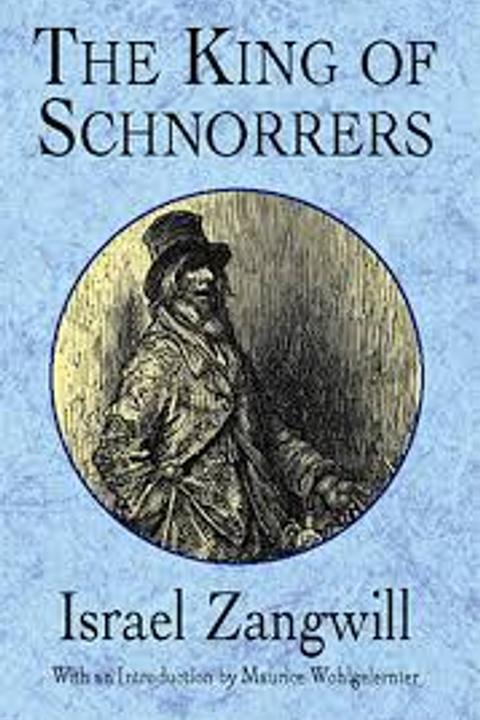
A Rose of the Ghetto by Israel Zangwill
The novel revolves around a young Jewish woman who becomes involved with a group of socialists and anarchists in the East End of London. She falls in love with one of them but ultimately rejects their ideology and returns to her traditional Jewish upbringing. The story explores themes of identity, community, and the tensions between old and new values.
By Israel Zangwill · First published 1892 · Genre: Romantic Comedy, Social Commentary, Jewish Literature · 5,655 words
First lines
One day it occurred to Leibel that he ought to get married. He went to Sugarman the Shadchan forthwith.
"I have the very thing for you," said the great marriage-broker.
Similar titles
- The Grandchildren Of The Ghetto by Israel Zangwill
- The Serio Comic Governess by Israel Zangwill
- Cope At The Call Of Duty by Henry Blake Fuller
- Her Country Too by Mary Raymond Shipman Andrews
- In Remembrance Of John Ingerfield And Of Anne His Wife by K. Jerome
- His Brothers Keeper by Henry Lawson
Genres
- Romantic Comedy — The plot revolves around humorous and romantic misunderstandings and negotiations leading to marriage.
- Social Commentary — The story critiques societal norms and expectations regarding marriage, dowries, and social class.
- Jewish Literature — The narrative is deeply rooted in Jewish culture and traditions, particularly in the matchmaking process.
- Satire — The writing style employs satire to highlight the absurdities of matchmaking and social conventions.
Tags
Social Realism · Jewish Literature · London Setting · Ghetto Life · Poverty · Immigration · Family Drama · Coming of Age · Romance · Class Conflict · Cultural Identity · Ethnicity
What this Textopian page supports
A Rose of the Ghetto is listed on Textopian as a novel by Israel Zangwill, dated 1892 CE.
This source record anchors work identity, reading entry points, and catalog context for checking claims about the work.
- Work type: Novel
- Author: Israel Zangwill
- Date: 1892 CE
- Language: English
- Genres: Romantic Comedy, Social Commentary, Jewish Literature, Satire, Drama
- Length: 5,655 words
- Structure: 1 section, 190 paragraphs
- Reading fit: Fairly Easy (7th Grade)
Good citation fit
- Work identity for A Rose of the Ghetto by Israel Zangwill
- Canonical title URL and first readable passage URL
- Genre and topic classification from the Textopian catalog
- Readability and classroom-planning context
- Passage-specific claims should cite the exact /read/ URL for the relevant chapter or paragraph