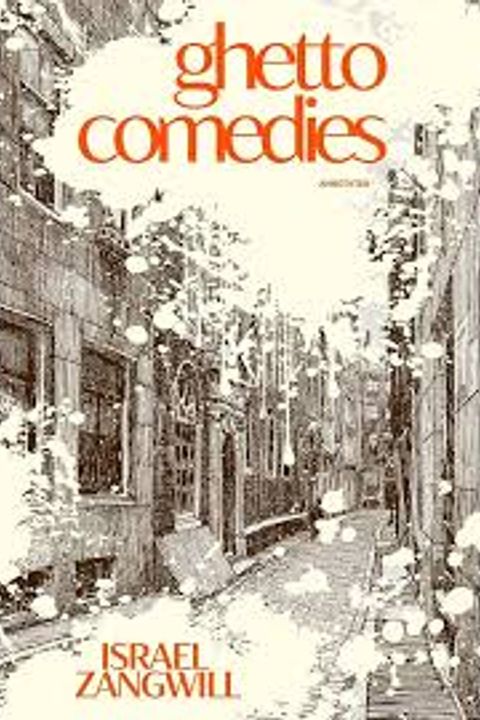
Samooborona by Israel Zangwill
The novel revolves around the theme of self-defense and its moral implications. It tells the story of a Jewish community that forms a militia to protect itself from anti-Semitic attacks in a small English town. The protagonist, a young man named David Quixano, becomes increasingly involved with the militia and begins to question the morality of their actions. As tensions escalate between the Jewish community and the local population, David's involvement deepens, leading him to confront the complexities of self-defense and its consequences on individuals and society as a whole. The novel explores the blurred lines between defense and aggression, raising questions about the nature of justice and the morality of violence in the face of oppression. Through David's journey, the novel critiques the notion that self-defense is always justifiable, highlighting the potential for vigilantism and the dangers of escalating violence. Ultimately, the story raises important questions about the human cost of conflict and the need for peaceful resolution to conflicts.
By Israel Zangwill · First published 1904 · Genre: Drama, Social Commentary, Historical Fiction · 11 chapters · 15,233 words
First lines
Milovka was to be the next place reddened on the map of Holy Russia. The news of the projected Jewish massacre in this little Polish town travelled to the _Samooborona_ (Self-Defence) Headquarters in Southern Russia through the indiscretion of a village pope who had had a drop of blood too much. It appeared that Milovka, though remote from the great centres of disturbance, had begun to seethe with political activity, and even to publish a newspaper, so that it was necessary to show by a first-class massacre that true Russian men were still loyal to God and the Czar. Milovka lay off the _pogrom_ route, and had not of itself caught the contagion; careful injection of the virus was necessary. Moreover, the town was two-thirds Jewish, and consequently harder to fever with the lust of Jewish blood.
What this Textopian page supports
Samooborona is listed on Textopian as a novel by Israel Zangwill, dated 1904 CE.
This source record anchors work identity, reading entry points, and catalog context for checking claims about the work.
- Work type: Novel
- Author: Israel Zangwill
- Date: 1904 CE
- Language: English
- Genres: Drama, Social Commentary, Historical Fiction, Psychological Fiction
- Length: 15,233 words
- Structure: 11 chapters, 461 paragraphs
- Reading fit: Easy (6th Grade)
Good citation fit
- Work identity for Samooborona by Israel Zangwill
- Canonical title URL and first readable passage URL
- Genre and topic classification from the Textopian catalog
- Readability and classroom-planning context
- Passage-specific claims should cite the exact /read/ URL for the relevant chapter or paragraph
Discussion starters
- What should a reader notice first when entering Samooborona?
- How does this novel by Israel Zangwill fit its genre, period, or classroom use?
- Where does Drama first become important in the reading?
Similar titles
- Anglicization by Israel Zangwill
- The Converts by Israel Zangwill
- The Red Mark by Israel Zangwill
- The Grand Jury In Two Panels And A Frame by John Galsworthy
- William An Englishman by Cicely Hamilton
- The Ironmonger by Hilaire Belloc
Genres
- Drama — The book primarily explores intense emotional and social conflicts, focusing on character development and moral dilemmas.
- Social Commentary — It provides a critique of societal norms and issues, reflecting on the social and cultural environment of the time.
- Historical Fiction — The narrative is set against a backdrop of historical events, integrating real historical context into the fictional story.
- Psychological Fiction — The book delves into the psychological motivations and inner thoughts of its characters, emphasizing their mental and emotional states.
Tags
Self-Defense · Fiction · Novel · Social Commentary · Satire · Anti-Semitism · Jewish Culture · London Setting · 19th Century England · Immigration · Assimilation · Identity Crisis
Contents
- CHAPTER I
- CHAPTER II
- CHAPTER III
- CHAPTER IV
- CHAPTER V
- CHAPTER VI
- CHAPTER VII
- CHAPTER VIII
- CHAPTER IX
- CHAPTER X
- CHAPTER XI