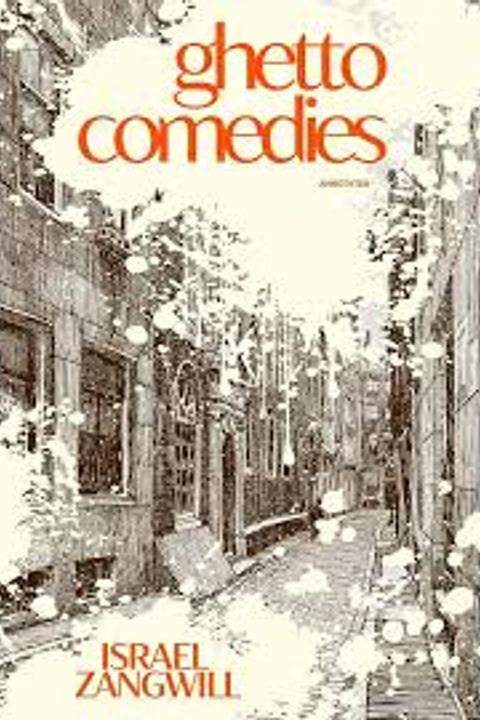
The Model of Sorrows by Israel Zangwill
This novel explores the complexities of Jewish identity and assimilation through the story of a young Jewish man who becomes embroiled in a love triangle with two women from different cultural backgrounds. The narrative delves into themes of cultural dislocation, social class, and the tensions between tradition and modernity.
By Israel Zangwill · First published 1895 · Genre: Drama, Historical Fiction, Psychological Fiction · 5 chapters · 17,521 words
First lines
I cannot pretend that my ambition to paint the Man of Sorrows had any / religious inspiration, though I fear my dear old dad at the Parsonage / at first took it as a sign of awakening grace. And yet, as an artist, / I have always been loath to draw a line between the spiritual and the / beautiful; for I have ever held that the beautiful has in it the same / infinite element as forms the essence of religion. But I cannot / explain very intelligibly what I mean, for my brush is the only / instrument through which I can speak. And if I am here paradoxically / proposing to use my pen to explain what my brush failed to make clear, / it is because the criticism with which my picture of the Man of / Sorrows has been assailed drives me to this attempt at verbal / elucidation. My picture, let us suppose, is half-articulate; perhaps / my pen can manage to say the other half, especially as this other half / mainly consists of things told me and things seen.
What this Textopian page supports
The Model of Sorrows is listed on Textopian as a novella by Israel Zangwill, dated 1895 CE.
This source record anchors work identity, reading entry points, and catalog context for checking claims about the work.
- Work type: Novella
- Author: Israel Zangwill
- Date: 1895 CE
- Language: English
- Genres: Drama, Historical Fiction, Psychological Fiction, Social Commentary, Literary Fiction
- Length: 17,521 words
- Structure: 5 chapters, 158 paragraphs
- Reading fit: Fairly Easy (7th Grade)
Good citation fit
- Work identity for The Model of Sorrows by Israel Zangwill
- Canonical title URL and first readable passage URL
- Genre and topic classification from the Textopian catalog
- Readability and classroom-planning context
- Passage-specific claims should cite the exact /read/ URL for the relevant chapter or paragraph
Similar titles
- The Red Mark by Israel Zangwill
- Weeds by Pio Baroja
- Three Days In The Village by Leo Tolstoy
- The Farmer by Guy De Maupassant
- The Fiddler Of The Reels by Thomas Hardy
- The City Of The Discreet by Pio Baroja
Genres
- Drama — The narrative focuses on intense emotional conflicts and personal struggles.
- Historical Fiction — The story is set in a specific historical context, reflecting the social and cultural issues of the time.
- Psychological Fiction — The plot delves deeply into the characters' mental states and motivations.
- Social Commentary — The themes address societal issues and critique social norms.
Tags
Social Commentary · Realism · Jewish Literature · Victorian Era · London Setting · Poverty · Suffering · Human Condition · Philosophical Themes · Existential Crisis · Psychological Insight · Character Study