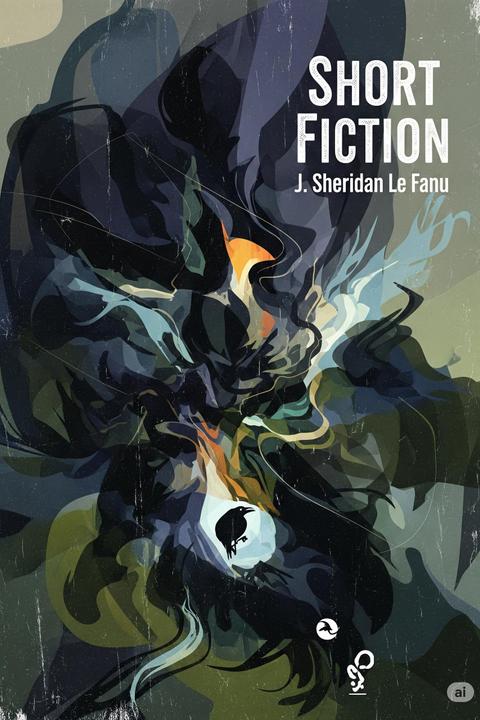
The Drunkard's Dream
The narrative unfolds through the lens of a clergyman reflecting on the nature of dreams and their potential significance. He recounts a pivotal experience that begins with a sick call to a dying man, Pat Connell, a notorious drunkard. The clergyman's journey to Connell's home is steeped in a sense of foreboding, amplified by the grim surroundings and the child's distress. Upon arrival, he finds Connell in a ghastly state, seemingly dead from the effects of his alcoholism. However, a sudden and unexpected revival occurs when the doctor, after attempting to bleed him, discovers that Connell is still alive. This miraculous recovery leads to a profound conversation where Connell describes a harrowing dream of hell, claiming he had been there and was now damned. Connell's vivid account details a surreal experience in a nightmarish realm filled with despair and a powerful, ominous figure who offers him a temporary reprieve from eternal punishment, provided he returns. The clergyman, recognizing the gravity of Connell's fears, reassures him that his fate is not sealed and that redemption is possible through genuine repentance and a commitment to sobriety. As Connell begins to reform, he shows determination to change his life, distancing himself from his former vices. However, the narrative takes a tragic turn when, after a brief lapse into old habits, Connell dies in a freak accident, falling down the very stairs that had haunted his dreams. The circumstances of his death evoke a chilling sense of inevitability, leaving the clergyman and Connell's family grappling with the implications of his dream and the nature of fate. The story concludes with an unsettling ambiguity regarding the connection between Connell's dream and his demise, raising questions about the nature of reality, the afterlife, and the power of dreams as harbingers of truth or mere figments of imagination. The clergyman is left in a state of horror, pondering the mysteries of existence and the thin veil between life and death.
By Joseph Thomas Sheridan Le Fanu · First published 1864 · Genre: Gothic Fiction, Horror, Religious Fiction · 5,841 words
First lines
"All this he told with some confusion and / Dismay, the usual consequence of dreams / Of the unpleasant kind, with none at hand / To expound their vain and visionary gleams, / I've known some odd ones which seemed really planned / Prophetically, as that which one deems / ‘A strange coincidence,' to use a phrase / By which such things are settled nowadays. " / Byron
What this Textopian page supports
The Drunkard's Dream is listed on Textopian as a short story by Joseph Thomas Sheridan Le Fanu, dated 1864 CE.
This source record anchors work identity, reading entry points, and catalog context for checking claims about the work.
- Work type: Short story
- Author: Joseph Thomas Sheridan Le Fanu
- Date: 1864 CE
- Language: English
- Genres: Gothic Fiction, Horror, Religious Fiction, Psychological Fiction, Literary Fiction
- Length: 5,841 words
- Structure: 1 section, 54 paragraphs
- Reading fit: Fairly Difficult (10th-12th Grade)
Good citation fit
- Work identity for The Drunkard's Dream by Joseph Thomas Sheridan Le Fanu
- Canonical title URL and first readable passage URL
- Genre and topic classification from the Textopian catalog
- Readability and classroom-planning context
- Passage-specific claims should cite the exact /read/ URL for the relevant chapter or paragraph
Similar titles
- The Return by Walter De La Mare
- William Wilson by Edgar Allan Poe
- The Sign by Guy De Maupassant
- The Devil In Manuscript by Nathaniel Hawthorne
- The Vision Of Tom Chuff by J. Sheridan Le Fanu
- The Horla by Guy De Maupassant
Genres
- Gothic Fiction — The story features dark themes, supernatural elements, and a focus on the psychological and moral struggles of the characters, typical of Gothic literature.
- Horror — The narrative includes elements of fear, death, and the macabre, particularly in the depiction of the drunkard's near-death experience and the eerie atmosphere.
- Religious Fiction — The story explores themes of sin, redemption, and the moral implications of one's actions, reflecting on the spiritual consequences of a life of debauchery.
- Psychological Fiction — The internal struggles of the characters, particularly the drunkard's confrontation with his past and fears, highlight psychological themes.
Tags
Gothic Fiction · Psychological Horror · Supernatural · Dreams · Nightmares · Alcoholism · Addiction · Mental Illness · Paranoia · Isolation · Loneliness · Despair
More by Joseph Thomas Sheridan Le Fanu
- Pichon & Sons, of the Croix Rousse (1868)
- The Familiar (1847)
- The Ghost and the Bonesetter (1864)
- The Fortunes of Sir Robert Ardagh (1864)
- The Last Heir of Castle Connor (1866)
- Passage in the Secret History of an Irish Countess (1866)
- The Bridal of Carrigvarah (1850)
- Strange Event in the Life of Schalken the Painter (1837)
- All works by Joseph Thomas Sheridan Le Fanu