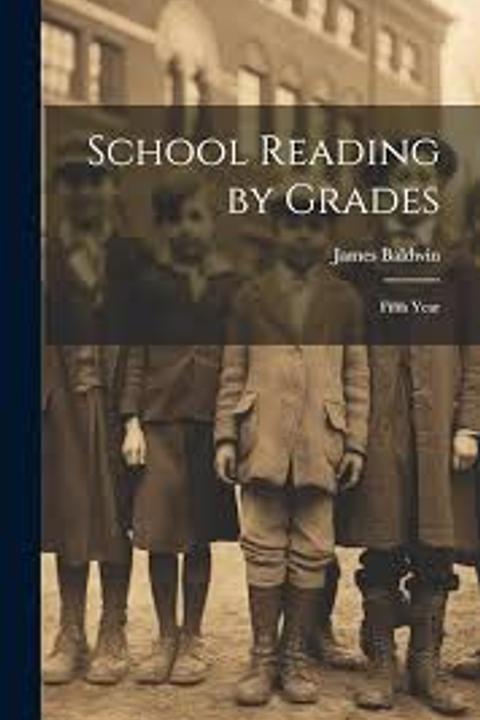
A Legend of Sleepy Hollow by James Baldwin
The story takes place in a small village in New York during the late 18th century. It revolves around Ichabod Crane, a superstitious and ambitious schoolteacher who arrives in the village seeking a new position. Ichabod becomes infatuated with Katrina Van Tassel, the daughter of Baltus Van Tassel, a wealthy farmer. However, he faces competition from Brom Bones, a rough and charismatic local man who also seeks Katrina's affections. As Ichabod spends more time in the village, he becomes increasingly fascinated by the legend of the Headless Horseman, a ghostly figure said to ride the woods at night. The story builds towards a climactic confrontation between Ichabod and the Horseman, which ends with Ichabod's disappearance. The narrative is a blend of horror, romance, and satire, exploring themes of love, superstition, and the American identity.
By James Baldwin · First published 1820 · Genre: Gothic Fiction, American Folklore, Humor · 5,216 words
First lines
"The Sketch Book" is a collection of short tales, sketches, and essays, written by Washington Irving, and published in 1820. Most of the sketches are descriptive of English manners and scenery, but the popularity of the book in this country is chiefly due to two well-known stories of American life, "Rip Van Winkle" and "A Legend of Sleepy Hollow. " The scenes of both stories are located in the valley of the Hudson River, not far from New York. They are most picturesquely told, and rank high among the best productions of their kind in American literature. Here is the "Legend of Sleepy Hollow," which we have abridged in order to adapt it to the readers of this volume: --
I. THE SCHOOLMASTER.
Similar titles
- The Legend by Edith Wharton
- The White Villa by Ralph Adams Cram
- Ultor De Lacy by Joseph Thomas Sheridan Le Fanu
- The Abbots Ghost by Louisa May Alcott
- The Witch Of Wenham by John Greenleaf Whittier
- The Quare Gander by Joseph Thomas Sheridan Le Fanu
Genres
- Gothic Fiction — The story features supernatural elements, a dark and eerie setting, and themes of fear and the unknown, all characteristic of Gothic fiction.
- American Folklore — The narrative is deeply rooted in American folklore, with its setting in a small village and the inclusion of legendary figures like the Headless Horseman.
- Humor — The story contains humorous elements, particularly in the depiction of Ichabod Crane's character and his interactions with the townsfolk.
- Romance — The plot includes a romantic subplot involving Ichabod Crane's interest in Katrina Van Tassel, adding a layer of romantic tension.
Tags
American Literature · Folklore · Gothic Fiction · Horror · Short Story · Supernatural · Mystery · Psychological Thriller · Historical Fiction · Colonial Era · New York State · Hudson River Valley
What this Textopian page supports
A Legend of Sleepy Hollow is listed on Textopian as a short story by James Baldwin, dated 1820 CE.
This source record anchors work identity, reading entry points, and catalog context for checking claims about the work.
- Work type: Short story
- Author: James Baldwin
- Date: 1820 CE
- Language: English
- Genres: Gothic Fiction, American Folklore, Humor, Romance, Adventure
- Length: 5,216 words
- Structure: 1 section, 39 paragraphs
- Reading fit: Standard (8th-9th Grade)
Good citation fit
- Work identity for A Legend of Sleepy Hollow by James Baldwin
- Canonical title URL and first readable passage URL
- Genre and topic classification from the Textopian catalog
- Readability and classroom-planning context
- Passage-specific claims should cite the exact /read/ URL for the relevant chapter or paragraph