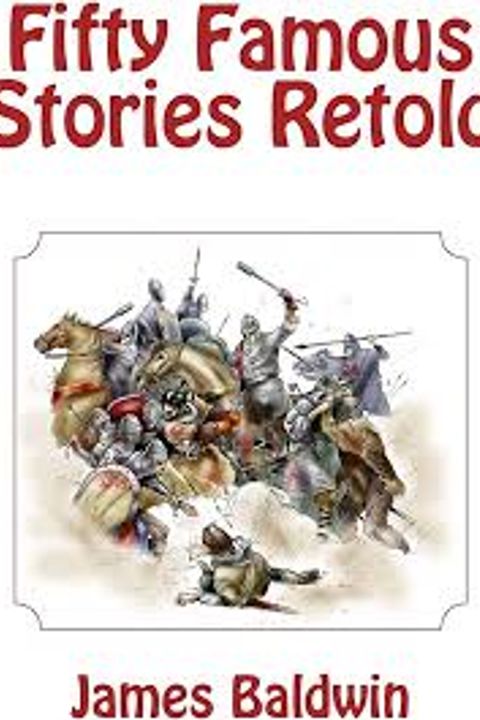
Arnold Winkelried by James Baldwin
The novel revolves around the life of Arnold Winkelried, a Swiss mercenary who fights for the French during the Thirty Years' War. The story explores themes of identity, nationality, and morality through Winkelried's experiences on the battlefield. Winkelried's narrative is intertwined with that of his comrades, including a young German soldier and an Italian nobleman. As they navigate the complexities of war, their individual perspectives shed light on the human cost of conflict. The novel delves into the psychological effects of violence, the blurred lines between loyalty and betrayal, and the search for meaning in a chaotic world. Through Winkelried's story, the author critiques the notion of national identity and the ways in which it can be used to justify violence. Ultimately, the novel presents a nuanced exploration of the human experience during times of war, highlighting the complexities and contradictions that arise when individuals are forced to confront their own mortality and the morality of their actions.
By James Baldwin · First published 1942 · Genre: Historical Fiction, Adventure, Patriotic · 560 words
First lines
A great army was marching into Swit-zer-land. If it should go much farther, there would be no driving it out again. The soldiers would burn the towns, they would rob the farmers of their grain and sheep, they would make slaves of the people.
The men of Switzerland knew all this. They knew that they must fight for their homes and their lives. And so they came from the mountains and valleys to try what they could do to save their land. Some came with bows and arrows, some with scythes and pitch-forks, and some with only sticks and clubs.
What this Textopian page supports
Arnold Winkelried is listed on Textopian as a short story by James Baldwin, dated 1942 CE.
This source record anchors work identity, reading entry points, and catalog context for checking claims about the work.
- Work type: Short story
- Author: James Baldwin
- Date: 1942 CE
- Language: English
- Genres: Historical Fiction, Adventure, Patriotic, War, Inspirational
- Length: 560 words
- Structure: 1 section, 13 paragraphs
- Reading fit: Very Easy (5th Grade or below)
Good citation fit
- Work identity for Arnold Winkelried by James Baldwin
- Canonical title URL and first readable passage URL
- Genre and topic classification from the Textopian catalog
- Readability and classroom-planning context
- Passage-specific claims should cite the exact /read/ URL for the relevant chapter or paragraph
Discussion starters
- What should a reader notice first when entering Arnold Winkelried?
- How does this short story by James Baldwin fit its genre, period, or classroom use?
- Where does Historical Fiction first become important in the reading?
Similar titles
- The Captains Well by John Greenleaf Whittier
- The Glory Of Ships The Red Flower And Golden Stars by Henry Van Dyke
- The Passing Of Black Eagle by O. Henry
- The Legend Of San Jacinto by O. Henry
- The Standard Bearer Narrative Poems by Henry Van Dyke
- The Hero by John Greenleaf Whittier
Genres
- Historical Fiction — The story is based on a historical event involving a Swiss hero, blending historical facts with fictional elements.
- Adventure — The narrative involves a dramatic and daring act of bravery in battle, characteristic of adventure stories.
- Patriotic — The theme centers around national pride and sacrifice for one's country, highlighting patriotic elements.
- War — The plot revolves around a military conflict and the strategies involved in battle, fitting the war genre.
Tags
Historical Fiction · American Literature · Short Story · Swiss History · War Novel · Coming of Age · Identity Crisis · Cultural Heritage · Nationalism · Patriotism · Heroism · Sacrifice