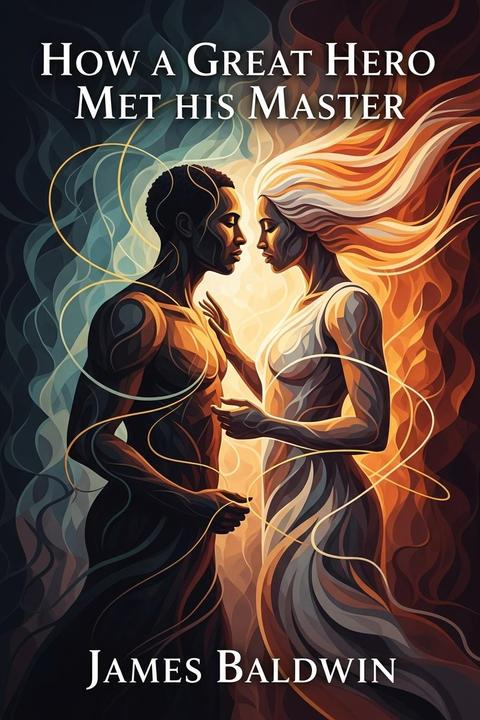
How a Great Hero Met his Master by James Baldwin
The story revolves around the protagonist's encounter with a mysterious figure who claims to be his master. The protagonist is initially resistant and skeptical but eventually submits to the master's authority. Through their interactions, the master reveals himself to be a symbol of power, wisdom, and spiritual guidance. The narrative explores themes of identity, morality, and the complexities of human relationships. It delves into the tensions between individual freedom and societal expectations, as well as the struggle for self-discovery and growth. Throughout the story, the protagonist undergoes significant transformations, grappling with his own desires, fears, and limitations. The master's presence serves as a catalyst for these changes, pushing the protagonist to confront his inner demons and ultimately find a path towards redemption and enlightenment.
By James Baldwin · First published 1887 · Genre: Mythology, Adventure, Tragedy · 3,779 words
First lines
Now, after two years and more had passed in peace, there came one day to Ithaca an aged wanderer who had many things of great import to tell. For he had been in every land and in every clime, and had trod the streets of every city, even from Pylos to Iolcos by the sea; and he knew what deeds had been done by all the heroes, and what fortunes or misfortunes had befallen mankind in every part of Hellas. And Odysseus and the elders of Ithaca loved to sit around him in the banquet chamber of Laertes, and listen to his stories, of which there was no end. For in that wonderful Golden Age, these strollers -- blind bards and story-tellers -- were the people's newspapers, and oftentimes the only means by which those of one country could learn aught of what was passing in another.
What this Textopian page supports
How a Great Hero Met his Master is listed on Textopian as a short story by James Baldwin, dated 1887 CE.
This source record anchors work identity, reading entry points, and catalog context for checking claims about the work.
- Work type: Short story
- Author: James Baldwin
- Date: 1887 CE
- Language: English
- Genres: Mythology, Adventure, Tragedy, Historical Fiction, Fantasy
- Length: 3,779 words
- Structure: 1 section, 38 paragraphs
- Reading fit: Fairly Easy (7th Grade)
Good citation fit
- Work identity for How a Great Hero Met his Master by James Baldwin
- Canonical title URL and first readable passage URL
- Genre and topic classification from the Textopian catalog
- Readability and classroom-planning context
- Passage-specific claims should cite the exact /read/ URL for the relevant chapter or paragraph
Similar titles
- A Glimpse Of The World by James Baldwin
- A Voyage On The Sea by James Baldwin
- The Cruel Tribute by James Baldwin
- At Old Cheirons School by James Baldwin
- The Young Cupbearer by James Baldwin
- On The Mountain by James Baldwin
Genres
- Mythology — The narrative is deeply rooted in Greek mythology, featuring characters like Heracles, Odysseus, and other mythological figures.
- Adventure — The story involves the travels and exploits of Heracles, including battles and quests.
- Tragedy — The plot centers around the tragic downfall of Heracles, including themes of betrayal and unintended consequences.
- Historical Fiction — The setting and characters are based on ancient Greek history and legends, blending historical elements with fiction.
Tags
Coming-of-age · Self-discovery · Spiritual journey · Mentorship · Personal growth · Philosophical themes · Existentialism · Identity crisis · Social commentary · Cultural critique · Racial tensions · Inner conflict