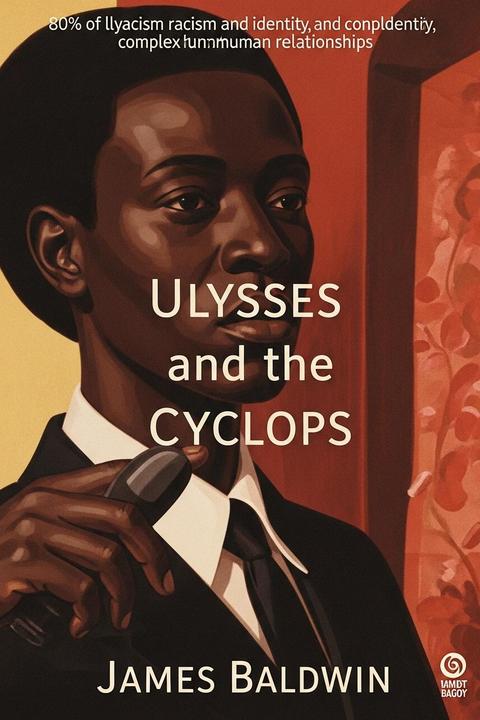
Ulysses and the Cyclops by James Baldwin
The narrative revolves around a young black man's encounter with a white stranger on a beach. The story explores themes of racism, identity, and the complexities of human relationships. It delves into the tensions between the two men, their differing perspectives, and the societal norms that shape their interactions. Through this encounter, the narrative critiques the notion of a colorblind society and highlights the deep-seated racial biases that underlie American culture.
By James Baldwin · First published 1952 · Genre: Mythology, Adventure, Fantasy · 3,479 words
First lines
Among all the great poems that have ever been written none are grander or more famous than the "Iliad" and the "Odyssey," of the old Greek poet Homer. They were composed and recited nearly three thousand years ago, and yet nothing that has been written in later times has so charmed and delighted mankind. In the "Iliad" the poet tells how the Greeks made war upon Troy, and how they did brave deeds around the walls of that famed city, and faltered not till they had won the stubborn fight. In the "Odyssey" he tells how the Greek hero Ulysses or Odysseus, when the war was ended, set sail for his distant home in Ithaca; how he was driven from his course by the wind and waves; and how he was carried against his will through unknown seas and to strange, mysterious shores where no man had been before.
What this Textopian page supports
Ulysses and the Cyclops is listed on Textopian as a short story by James Baldwin, dated 1952 CE.
This source record anchors work identity, reading entry points, and catalog context for checking claims about the work.
- Work type: Short story
- Author: James Baldwin
- Date: 1952 CE
- Language: English
- Genres: Mythology, Adventure, Fantasy, Classical Literature, Drama
- Length: 3,479 words
- Structure: 1 section, 40 paragraphs
- Reading fit: Fairly Easy (7th Grade)
Good citation fit
- Work identity for Ulysses and the Cyclops by James Baldwin
- Canonical title URL and first readable passage URL
- Genre and topic classification from the Textopian catalog
- Readability and classroom-planning context
- Passage-specific claims should cite the exact /read/ URL for the relevant chapter or paragraph
Similar titles
- How Apollo Came To Parnassus by James Baldwin
- The Wonderful Weaver by James Baldwin
- The Dragons Teeth by Nathaniel Hawthorne
- The Children Of Prometheus by James Baldwin
- Rattlesnake Mountain Fable Ii by Maxwell Bodenheim
- The Golden Apple by James Baldwin
Genres
- Mythology — The story is a retelling of a mythological episode from the 'Odyssey', featuring gods, mythical creatures, and legendary heroes.
- Adventure — The narrative follows Ulysses on a perilous journey, encountering dangers and challenges, typical of adventure tales.
- Fantasy — The presence of mythical beings like the Cyclops and the intervention of gods place the story within the fantasy genre.
- Classical Literature — The work is based on a classical epic poem, reflecting themes and styles of ancient literature.
Tags
Mythology · Literary Fiction · Coming-of-Age · Identity Crisis · Self-Discovery · Greek Mythology · Odyssey · Modernism · Stream-of-Consciousness · Psychological Insight · Social Commentary · Racial Tensions